Summary
- TD Cowen said that even if the Senate Banking Committee approves the CLARITY Act, major hurdles would still remain before the bill can become law.
- The bank said legislation could be delayed by sharp disagreements over stablecoin regulation, ethics and conflict-of-interest provisions, and standards tied to anti-money laundering (AML), the Bank Secrecy Act (BSA) and market manipulation prevention.
- Seiberg said the bill would need 60 votes to pass the full Senate, and that limited time makes passage this year difficult, raising the possibility that the final regulatory framework could be pushed back until after 2027.
Forecast Trend Report by Period


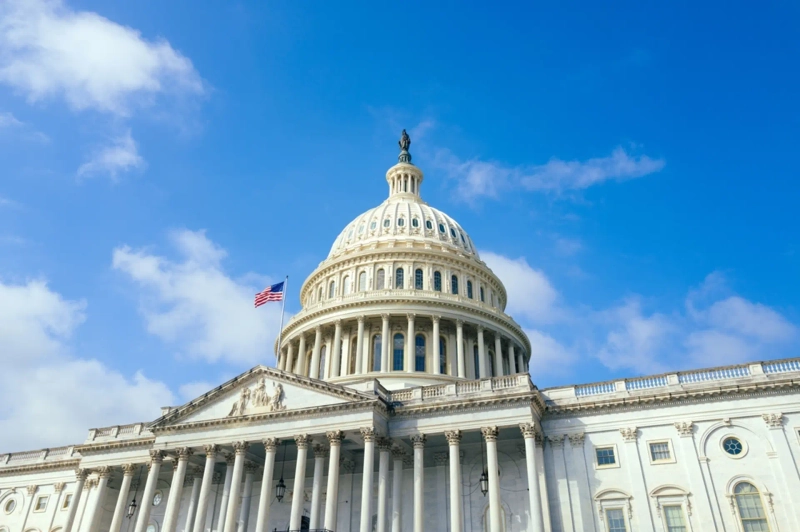
A Senate vote is scheduled on the CLARITY Act, a crypto market-structure bill, but major hurdles remain before it can become law, TD Cowen said.
The Block reported on May 11 that Jarrett Seiberg, a managing director at the investment bank, wrote in a recent report that the Senate Banking Committee’s planned May 14 vote would mainly move the debate to the full Senate rather than signal the bill’s passage. Clearing the committee would not mean the measure is close to becoming law, he wrote, because key obstacles remain.
The Senate Banking Committee formally scheduled the bill’s markup, the amendment and voting process, on May 9. Banks are opposing provisions that would allow interest payments on stablecoins, while Democrats are raising concerns about the absence of conflict-of-interest language, underscoring persistent divisions in Washington.
Stablecoin regulation has emerged as a central flashpoint. With the crypto industry and banks at odds, the Senate could be forced to choose between the two sides.
Ethics and conflict-of-interest provisions are another major variable. Even some Democrats with pro-crypto leanings may struggle to back the bill if those provisions are omitted. Restrictions on whether the president and family members can participate in crypto businesses have become a particular point of contention.
Lawmakers also have yet to reach agreement on other major regulatory issues, including anti-money laundering rules, the Bank Secrecy Act and standards for preventing market manipulation.
Seiberg said the bill would need 60 votes to pass the full Senate, and with time running short, enacting it this year may prove difficult. If the legislation is delayed, a final regulatory framework could be pushed back until after 2027.

Suehyeon Lee
shlee@bloomingbit.ioI'm reporter Suehyeon Lee, your Web3 Moderator.