

PiCK
Bank of Korea's 'Stablecoin Warning' Faces Industry Backlash…"Ignoring Reality"
Summary
- The Bank of Korea warned that stablecoins could negatively impact monetary policy and financial stability, emphasizing the need for a regulatory framework.
- The industry countered that stablecoins enhance liquidity and strengthen connectivity with the real economy, emphasizing that stability can be structurally guaranteed.
- Criticism arose that the Bank of Korea's CBDC push is out of sync with global market trends, with skepticism about the CBDC project.
Bank of Korea: "Stablecoins Threaten Monetary Policy"
Industry Rebuts: "Ignoring Reality"
"'Bank of Korea's CBDC Push' Out of Sync with US and Others"
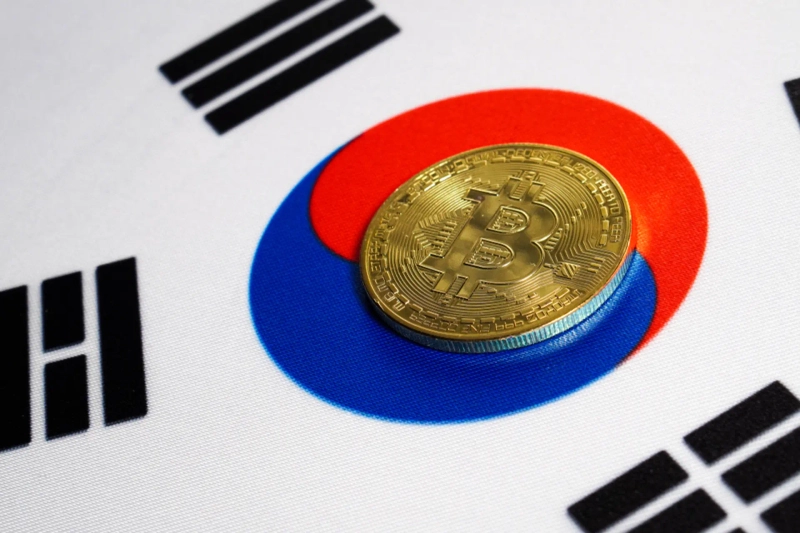
The Bank of Korea has once again officially expressed its negative stance on stablecoins, drawing criticism from the virtual asset (cryptocurrency) industry, which argues that the concerns do not reflect reality.
On the 21st, the Bank of Korea released its '2024 Payment and Settlement Report', warning that stablecoins could negatively impact the central bank's policy execution in areas such as monetary policy, financial stability, and payment and settlement, and emphasized the need for a separate regulatory framework.
In the report, the Bank of Korea stated, "Unlike general virtual assets, stablecoins have inherent characteristics as a means of payment, requiring appropriate regulation," and explained, "If stablecoins pegged to legal currency lose value stability due to external shocks, large-scale redemption demands may arise." It further added, "Issuing institutions may face structural issues requiring them to execute deposit withdrawals or sell government bonds in response."
The industry immediately countered. An industry representative pointed out, "Stablecoins accelerate liquidity settlement and strengthen connectivity with the real economy," and criticized, "Worrying about the decline in monetary policy effectiveness in this situation is an overinterpretation."
They continued, "If the structure of stablecoins is 100% reserve-based and the audit system is transparently operated, bank runs or peg collapses can be structurally prevented," emphasizing, "The key is to design regulations well. Excluding the adoption of stablecoins based on vague concerns should not happen."
There was also opposition to the Bank of Korea's view on issuing won-based stablecoins. While understanding the difficulty of controlling cross-border won usage, the concern that does not consider the explosive growth of the global stablecoin market is seen as significantly disconnected from reality.
Criticism also arose that the Bank of Korea's ongoing Central Bank Digital Currency (CBDC) project is out of sync with the current industry trends. The Bank of Korea is currently conducting a CBDC real transaction test under the name 'Han River Project'. This contrasts with major countries like the US, which show a negative stance on CBDCs.
In fact, on the 2nd (local time), the US House Financial Services Committee passed the 'Anti-CBDC Surveillance State Act'. The bill prohibits the Federal Reserve from using CBDCs as a monetary policy tool or for providing goods and services. Jerome Powell, the Fed Chairman, also drew a line by stating, "I will not issue a CBDC during my term," and US Treasury Secretary Scott Besant has stated, "There is no reason to pursue a CBDC."
Another industry representative expressed concern, "The current CBDC being pursued by the Bank of Korea is disconnected from the global payment network," questioning, "What practical benefits can be expected in a structure not linked to the dollar-based international finance?"
They added, "Although the Bank of Korea has invested a lot of time and resources in preparing the CBDC project, the timing now seems off," and noted, "Commercial banks participating in the Han River test also seem dissatisfied with the CBDC project. If CBDCs are introduced, the issuance power shifts to the central bank, reducing profitability and business viability for commercial banks, making participation obligatory."
They further stated, "Stablecoins are not a matter of whether we accept them or not," adding, "As the global financial system is being reorganized in that direction, ignoring it would lead to self-isolation."

Doohyun Hwang
cow5361@bloomingbit.ioKEEP CALM AND HODL🍀