

How Are Negotiations with Countries Other Than the US and China Going?
Summary
- The US applies high tariffs in trade negotiations with China but emphasizes establishing manufacturing facilities within the US by applying tariffs at the 10% level to other countries.
- Japan is negotiating tariffs with the US, including expanding agricultural imports and cooperation in the shipbuilding sector, and is demanding the abolition of tariffs on steel and aluminum.
- India is reportedly proposing future most-favored-nation treatment in negotiations with the US, considering applying better tariff conditions to the US.
Japan: "Tariffs Less Than 10%, Should Be Withdrawn"
India Reportedly Proposes 'Future Most-Favored-Nation Treatment' to the US
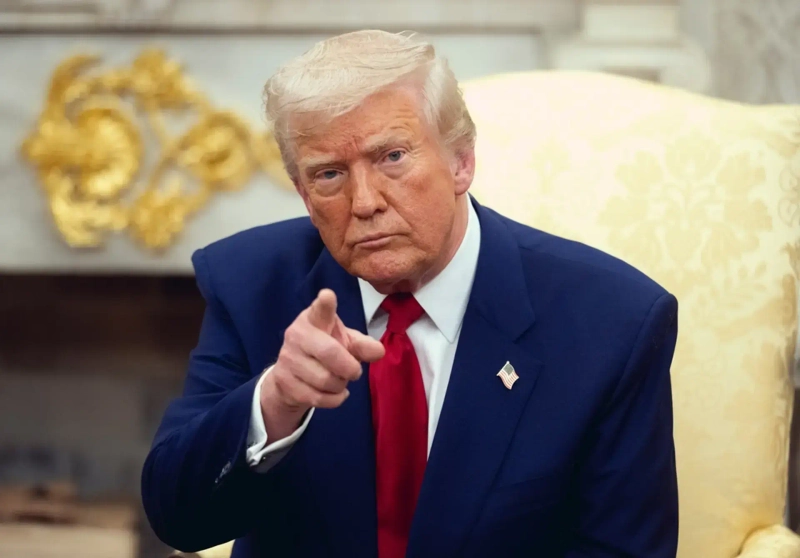
As the US is shaping its trade negotiations with China, it is also working behind the scenes to conclude negotiations with other countries. Unlike with China, the US emphasizes that tariffs on the remaining countries are 10%, urging them to establish manufacturing facilities within the US.
Howard Lutnick, US Secretary of Commerce, mentioned in an interview with Fox News on the 11th (local time) that the US's tariffs on China are 145% and China's retaliatory tariffs on the US are 125%, stating, "The rest of the world is 10%," and advised not to exaggerate. He explained that except for some countries causing a large trade deficit to the US, the tariff increase is not significant. He emphasized, "We (the US) are the consumers of the world," and "everyone wants to sell goods here and needs to trade with the US."
Secretary Lutnick revealed that President Trump is focusing on bringing manufacturing back to the US. He urged, "If you want to produce overseas, that's fine, but you have to pay tariffs (in the US), and you will be less competitive," and "so manufacture in the US."
Previously, Secretary Lutnick stated in an interview with CNN that while the basic tariff of 10% will not be lowered, some items may be exempt from tariffs in negotiations with individual countries.
Apart from China, Japan is the only country that has entered into official negotiation schedule coordination. Japanese broadcaster NHK reported on the 12th that Japan proposed expanding agricultural imports, relaxing automobile safety standards, and establishing cooperation plans in the shipbuilding sector as negotiation cards in tariff negotiations with the US. The Japanese government is reviewing cooperation measures such as expanding ship repair capabilities, strengthening supply chains, and icebreaker ships for Arctic navigation to revive the US shipbuilding industry.
Japan held the second ministerial-level tariff negotiations with the US in Washington, DC, on the 1st (local time) and agreed to hold the third negotiations after mid-month. Specific schedules have not yet been announced.
The US has imposed tariffs of 25% on steel and aluminum and decided on a 24% tariff under reciprocal tariffs, which are deferred until July 8. Japanese Prime Minister Shigeru Ishiba ultimately demands the abolition of tariffs. He appeared on a Fuji TV program the previous day, stating that regarding the expiration of the reciprocal tariff deferral on July 8, "Just because the deadline comes, it doesn't mean we will compromise even if it's disadvantageous," and "We are demanding abolition, and we cannot say 10% is good."
Negotiations with India are also gaining speed. Recently, Reuters reported, citing an anonymous Indian government official, that India is considering proposing 'future most-favored-nation treatment' to the US. Future most-favored-nation treatment means that if India grants better tariff conditions to other countries than to the US in the future, the same conditions will apply to the US.
New York = Shin-Young Park, Correspondent nyusos@hankyung.com

Uk Jin
wook9629@bloomingbit.ioH3LLO, World! I am Uk Jin.