

Summary
- The U.S. announced that it has reduced the tariff on small parcels from China from 120% to 54%.
- The tariff reduction has raised the possibility of increasing exports of low-cost Chinese products to the U.S.
- Due to decreased ship loading capacity and increased cancellations, freight rates could rise by up to 20%.
Concerns Over Rising Freight Costs Due to Logistics Surge
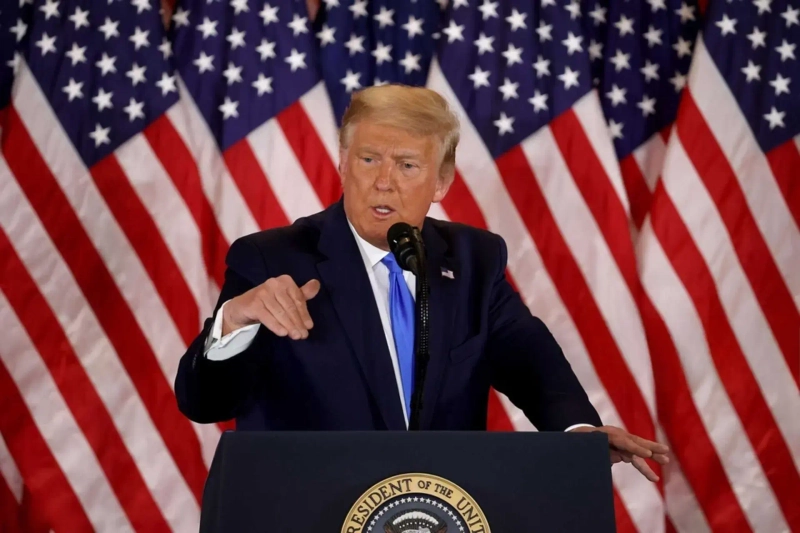
The United States has reduced the tariff on small parcels from China from 120% to 54%. Following mutual tariffs, high tariffs on Chinese products have also been lowered for small parcels.
On the 12th (local time), U.S. President Donald Trump signed an executive order to lower the tariff on small parcels from China and maintain the minimum fee at $100. Early last month, President Trump announced through an executive order that the 'small exemption system', which exempted tariffs on Chinese imports under $800 from the 2nd of this month, would be abolished and a 30% tariff would be imposed. A week later, the tariff was raised to 90%, and a day later, it was further increased to 120%.
As a result, Chinese e-commerce platforms like Temu and Shein, which have been exporting ultra-low-cost products produced in China to the United States, were directly hit. Both companies raised prices simultaneously on the 25th of last month, and Temu shifted its focus to handling only products from local U.S. sellers from the 2nd of this month in response to the abolition of the exemption system. They stopped selling ultra-low-cost Chinese products. With the tariff reduction, the possibility of increasing exports of low-cost Chinese products has grown.
In addition, as the U.S. and China agreed to reduce mutual tariffs on each other's products by 115 percentage points through tariff negotiations, the volume of cargo heading to the U.S. is expected to surge. The New York Times (NYT) and others reported that delayed orders will lead to exports, and there will be a move to expedite product exports in anticipation of the possibility of failure in subsequent U.S.-China tariff negotiations. According to shipping data company Xeneta, the ship loading capacity on routes from China to the U.S. has decreased by 17% since the 20th of last month, and cancellations have increased by 86% during the same period. This indicates that maritime logistics, which had been decreasing, could significantly increase during the tariff war truce period.
Peter Sand, chief shipping analyst at Xeneta, warned that "freight rates heading to the U.S. West Coast from China could rise by up to 20% in the short term."
Reporter Lim Dayeon allopen@hankyung.com

Korea Economic Daily
hankyung@bloomingbit.ioThe Korea Economic Daily Global is a digital media where latest news on Korean companies, industries, and financial markets.