

Summary
- China announced that it has begun measures to reduce the additional tariff rate on U.S. imports from 125% to 10%.
- This measure is explained as a result of the tariff reduction agreement reached by the U.S. and China in Geneva, Switzerland.
- China also announced the abolition of non-tariff retaliatory measures, expecting to revitalize economic exchanges.
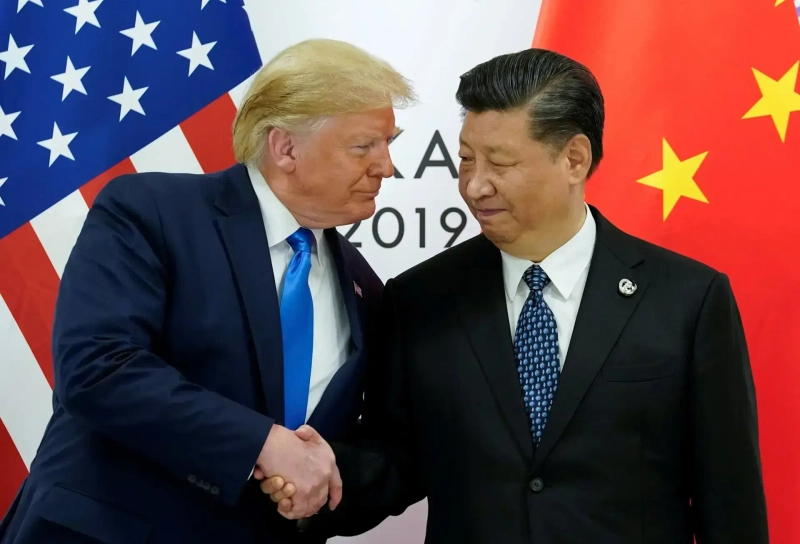
China began implementing a measure on the 14th to adjust the additional tariff rate on U.S. imports from 125% to 10%.
At 12:01 PM (China time, 12:01 AM Eastern Time on the 14th), China suspended the application of 91 percentage points of the previous additional tariff rate of 125% on the U.S., and decided to temporarily suspend 24 percentage points of the remaining 34% for 90 days.
This is a measure following the tariff reduction agreement reached by the U.S. and China in Geneva, Switzerland, on the 12th.
According to the joint statement, the two countries agreed to cancel 91 percentage points of the additional tariff rate on each other's imports and defer 24 percentage points for 90 days.
As a result, China's additional tariff rate on the U.S. has been lowered to 10%. The U.S. left a 20% tariff related to synthetic drug fentanyl, imposed at 10% each in February and March this year, making the additional tariff rate on China 30% since President Donald Trump took office.
The two countries agreed to take measures related to the joint statement by the 14th. They also agreed to continue follow-up negotiations through a consultation system.
The White House announced a measure to lower the tariff rate on small parcels under $800 (about 114,000 won) from China from 120% to 54%, in addition to the overall reduction in tariffs on Chinese imports, starting today.
The Chinese Tariff Commission stated in the tariff reduction announcement the day before, "The significant reduction in tariff levels by both the U.S. and China is in line with the expectations of producers and consumers in both countries and is beneficial to economic exchanges between the U.S. and China and the global economy."
China also decided to abolish various non-tariff retaliatory measures against the U.S. China Central Television (CCTV) reported, "After April 2, other non-tariff countermeasures against U.S. tariff increases will be correspondingly suspended or canceled by the relevant Chinese departments soon."
Reporter Hyun-kyung Kim khkkim@wowtv.co.kr

Korea Economic Daily
hankyung@bloomingbit.ioThe Korea Economic Daily Global is a digital media where latest news on Korean companies, industries, and financial markets.