

Is India Using a 'Tough Stance Like China' in Negotiations?
Summary
- The Indian government announced that it would impose retaliatory tariffs in response to the US's increase in steel and aluminum tariffs.
- India's change in tariff negotiation strategy is interpreted as a tough response ahead of the dispatch of a high-level delegation to the US.
- Trade negotiations between India and the US are expected to reach the first stage of agreement in the fall, but initial agreement remains uncertain.
"Retaliatory Tariffs on US Regarding Steel and Aluminum Tariffs" Stated
Shift in Stance from Initial Concessions Due to Worsening Public Opinion
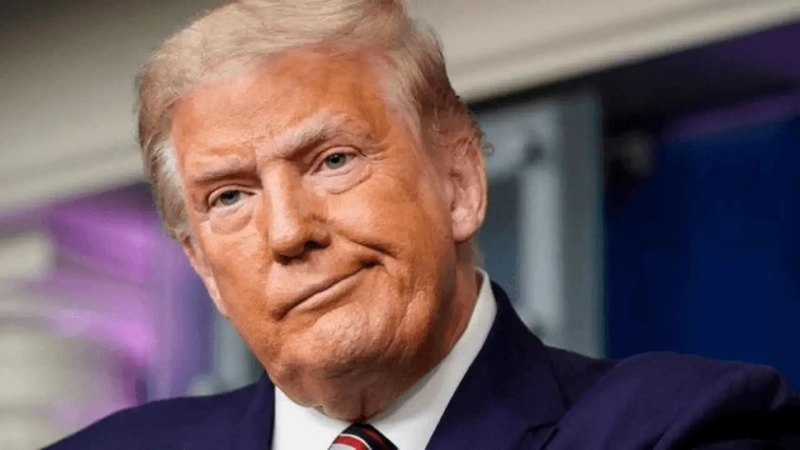
After China, which has taken a tough stance on Trump's tariffs, managed to draw tariff negotiations with the US, it is analyzed that India has also returned to a tougher approach in trade negotiations with the US.
According to Bloomberg on the 14th (local time), the Indian government has recently shown signs of returning to a tougher approach in tariff negotiations.
On the 12th, the Indian government announced that it would impose retaliatory tariffs on the US in response to the US's increase in steel and aluminum tariffs. This move by India is interpreted as a negotiation strategy ahead of the dispatch of a high-level delegation led by the Indian Minister of Commerce to the US this weekend.
In this regard, attention is being paid to whether the Indian negotiation team, which will visit the US from May 17 to 20 for trade negotiations, will maintain a tough stance. According to US government officials, the retaliatory tariffs planned by India on US goods are also known to be part of the negotiation agenda.
An Indian government source said that trade negotiations between India and the US are progressing smoothly and that the first stage of reaching an agreement is expected in the fall. However, they added that it is uncertain whether a provisional agreement will be reached before the mutual tariff suspension ends in early July.
Initially, in the early stages of trade negotiations, Indian Prime Minister Narendra Modi offered concessions on various issues such as trade and immigration, but recently returned to a tougher stance. It seems that the Indian public's anger was also influenced by President Trump's remarks that he used trade as a negotiation card to broker a ceasefire in the local conflict between India and Pakistan.
President Trump has imposed a 25% tariff on all steel and aluminum imports since March. In April, India defined this measure as a 'safeguard measure' or trade restriction and requested consultations with Washington through the World Trade Organization (WTO). However, the US rejected the request, arguing in a separate notification submitted to the WTO that the tariffs were due to national security concerns and did not constitute a safeguard measure.
India's shift to a tough stance came just hours after the US significantly reduced tariffs on Chinese products. The US-China tariff negotiations are being evaluated as a strategic victory for China's Xi Jinping, who has firmly stood up to Trump on tariff issues.
Priyanka Kishore, founder of Asia Decoded, a consulting firm based in Singapore, said, "There is growing public opinion in India that the Indian government is conceding too much to the US in trade negotiations."
Meanwhile, President Trump claimed the previous day that he mediated a ceasefire between India and Pakistan 'using trade,' but the Indian government immediately refuted that trade was not discussed at the meeting.
Guest Reporter Kim Jung-ah kja@hankyung.com

Korea Economic Daily
hankyung@bloomingbit.ioThe Korea Economic Daily Global is a digital media where latest news on Korean companies, industries, and financial markets.