

Russia May Ban USDT Usage... New Virtual Asset Regulations to Take Effect on the 26th
Summary
- Russia announced that starting from the 26th, new virtual asset regulations will be implemented, potentially banning the use of Tether (USDT).
- The regulations include a ban on virtual assets issued by 'unfriendly countries' and tokens that can be blocked by issuers.
- Russian regulations will affect some stablecoins, but their use for international payments will still be possible.
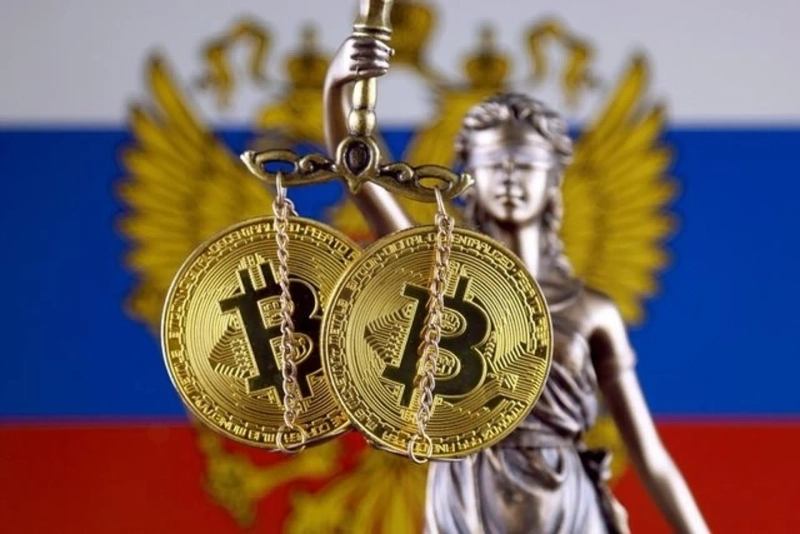
In about a week, new virtual asset (cryptocurrency) regulations will be implemented in Russia. There are opinions that the use of the stablecoin (a virtual asset linked to the value of fiat currency) Tether (USDT) may be banned in Russia due to the new regulations.
According to the cryptocurrency-specialized media CryptoNews on the 18th (local time), Russia will implement new virtual asset regulations starting from the 26th.
The new virtual asset regulations reportedly include ▲ a ban on virtual assets related to securities issued by 'unfriendly countries', ▲ only allowing virtual asset projects based in 'friendly countries', and ▲ banning tokens that can be blocked or retrieved by issuers or payment agents.
Meanwhile, industry experts have expressed that if these new Russian regulations are implemented, the use of Tether in Russia may be banned.
It is pointed out that Tether's compliance with US regulations is problematic. Tether is a dollar-based stablecoin, using US Treasury bonds as collateral. Additionally, Tether complies with US Know Your Customer (KYC) and Anti-Money Laundering (AML) regulations. Previously, at the request of the US government, Tether also froze Tether tokens of the cryptocurrency exchange GarantEx.
Mikhail Uspensky, a member of the Russian Virtual Asset Regulation Committee, explained, "Tether may be banned from circulation in Russia because it does not meet the requirements of Russia's new virtual asset regulations." George Gukasyan, head of DRT Law, also predicted, "The scope of the new virtual asset regulations is very broad, and some stablecoins may be subject to regulation."
However, even if the new regulations are applied, Tether is expected to be allowed in some special situations. This is because the virtual asset sandbox clause included in Russia's new regulations states that companies can use virtual assets for overseas payments. Uspensky commented on this, "The use of stablecoins in international payments is not prohibited."

Uk Jin
wook9629@bloomingbit.ioH3LLO, World! I am Uk Jin.