

Russia allows qualified investors to invest in virtual asset derivatives
Summary
- The Central Bank of Russia announced that it will allow investments in virtual asset derivatives for qualified investors meeting certain criteria.
- These derivatives can only be settled in cash without actual cryptocurrency settlement, and the bank said strict exposure limit management would be implemented for each investor.
- The Russian government stated that, while maintaining the ban on direct virtual asset trading, it is also considering the introduction of state-led virtual asset exchanges and stablecoins.
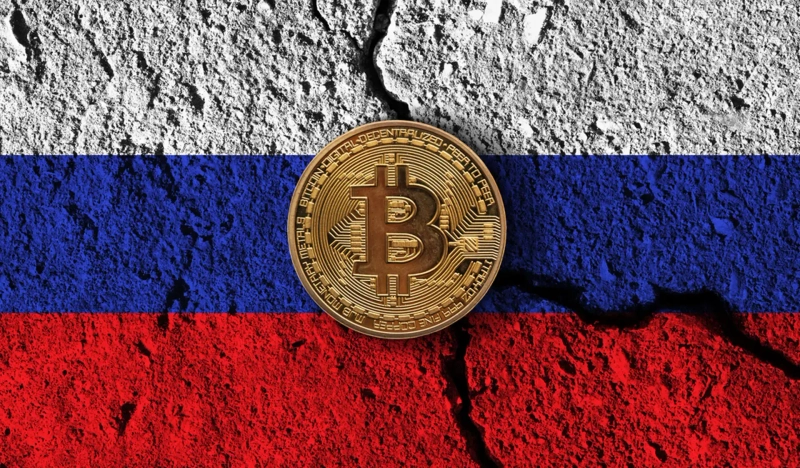
Russia has decided to allow investments in virtual asset (cryptocurrency) derivatives, but only for investors who meet certain conditions.
According to Crypto News, a media outlet specializing in virtual assets, on the 29th (local time), the Central Bank of Russia announced in an official statement that "financial institutions are allowed to offer derivatives and securities based on cryptocurrency prices, as well as digital financial assets, to certain investors." However, these products are not settled in actual cryptocurrencies such as Bitcoin, and only cash settlements are possible. In addition, the investment target is limited to professional investors who meet determined criteria.
The Central Bank of Russia emphasized, "These financial products must be fully covered by capital, and exposure limits per investor must be managed strictly." Russia's central bank plans to establish a regulatory system within the next year to manage related risks.
Meanwhile, direct trading of virtual assets in Russia remains prohibited. Instead, the government is considering a plan to allow digital asset trading for certain investors within a limited test environment. In addition, Russia is also working on establishing a state-led virtual asset exchange. The platform will only be accessible to ultra-high-risk investors (super-qualified investors), and retail trading will not be allowed. Russia is also reviewing the introduction of domestically issued stablecoins.
The media added, "This move is interpreted as a response to the need for domestic-based digital asset infrastructure, following the incident in March when some Russian users' wallets were frozen by stablecoin issuers."

Minseung Kang
minriver@bloomingbit.ioBlockchain journalist | Writer of Trade Now & Altcoin Now, must-read content for investors.