

"I Smelled Money" Skyrocketing Popularity... Investors Flocked, Breaking Through ₩60 Billion
Summary
- Recently, due to a preference for safe assets, silver prices have soared and the balance of silver banking has surpassed ₩60 billion.
- A large influx of investment funds is moving into silver-related ETFs and silver banking products, and it is stated that the upward trend in silver prices is likely to continue amid supply shortages.
- However, it is advised that silver's price volatility and the taxes and fees incurred when investing should be given careful consideration.
Surge in Silver Prices Due to Preference for Safe Havens
Silver Banking Balances Surpass ₩60 Billion
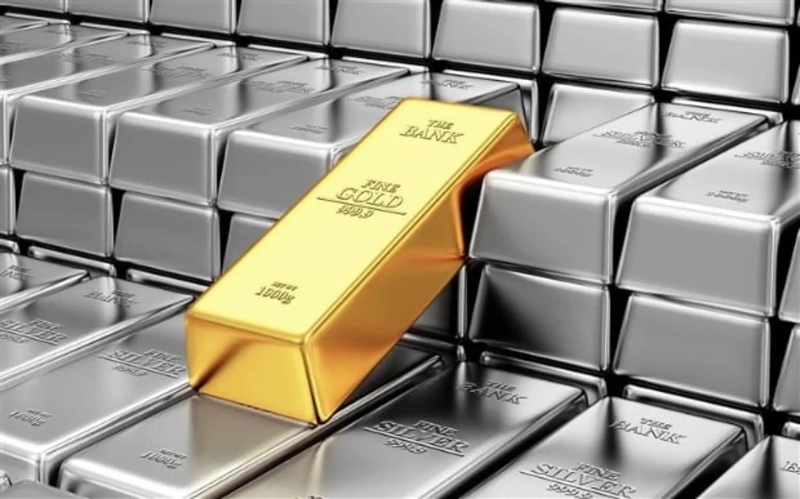
While the upward trend in gold prices has somewhat subsided, silver prices are sharply rising and drawing attention. Amid concerns over the deterioration of U.S. finances, the preference for safe assets has intensified, leading to large inflows of investment funds into silver. Money is pouring into various related products such as silver bank accounts (silver banking) and exchange-traded funds (ETFs). Experts predict further increases in silver prices, but also warn of possible downturns due to economic fluctuations. They also advise investors to consider taxes and fees that apply to investments.
Silver Banking Balances Surpass ₩60 Billion
According to the U.S. New York Mercantile Exchange (COMEX) on the 14th, the price of silver futures (July contract) rose to $36.46 per troy ounce on the 12th. It has jumped 24.6% just this year. On the 10th, during intraday trading, it soared to $37.02—the highest since February 29, 2012 ($37.23)—for the first time in 13 years and 3 months. Analysts explain this sharp climb in silver prices by a surge in demand for safe assets due to global trade disputes and fiscal worries, which have simultaneously weakened the U.S. dollar and government bonds. Growing demand from the industrial sector is also cited as a factor driving up silver prices. Silver is widely used in semiconductors, electronic devices, and solar panels, among other industries.
Since gold, the representative safe asset, surged first, relatively less appreciated silver is now attracting attention. As of the 12th, the gold-to-silver ratio (based on futures prices) was 93.7, up significantly from 79.6 a year ago. This ratio shows how much silver is needed to buy one ounce of gold.
Rising prices have heated up silver investment in Korea as well. The balance of Shinhan Bank's silver banking accounts reached ₩62.7 billion on the 12th, up 40.8% from ₩44.5 billion at the end of last year. The number of accounts (18,580) also increased by 1,704 over the same period. Shinhan Bank is the only domestic commercial bank to offer silver banking products.
Products invested in through securities firm accounts are also showing high returns. 'KODEX Silver Futures(H) ETF' has risen 19.0% this year (as of the 13th). 'Samsung Leverage Silver Futures(H) Exchange Traded Note (ETN)' also climbed 36.7% in the same period.
Demand Outpaces Supply... Upward Trend Likely to Continue
The financial market expects the upward trend in silver prices to continue for the time being, as the preference for safe assets persists and supply shortages remain unresolved. According to The Silver Institute, last year’s global silver supply was about 1,015.1 million ounces—149 million ounces less than the demand (about 1,164.1 million ounces). The Institute forecasts that demand will outpace supply by more than 100 million ounces again this year. Young Lee, Team Manager at Shinhan Premier PWM Dogok Center, said, "Demand is increasing, but due to declining mining volumes in major producing countries such as Mexico and Peru, it is difficult for supply to expand," adding, "If the Fed lowers rates and the dollar falls further, silver could attract attention as an inflation hedge, pushing its price even higher."
However, since silver also functions as an industrial commodity, its price may drop if the economy deteriorates. Byungjin Hwang, Analyst at NH Investment & Securities, said, "At this rate, silver prices are highly likely to exceed $40 in the second half of the year." He also warned, "Silver's price volatility is greater than gold's, so significant short-term swings may occur depending on domestic and international economic conditions."
The various costs associated with investing are another factor to consider. Buying silver coins or bars directly is subject to a 10% value-added tax immediately. Although capital gains are not taxed, including transaction fees, the price must increase by at least 15% to realize a profit. Investments in silver banking and ETFs are subject to a 15.4% dividend income tax on capital gains.
Jinseong Kim jskim1028@hankyung.com

Korea Economic Daily
hankyung@bloomingbit.ioThe Korea Economic Daily Global is a digital media where latest news on Korean companies, industries, and financial markets.