

Summary
- Due to concerns over a possible escalation between Israel and Iran, major US stock futures and European markets showed declines.
- The strategist pointed out that even during past geopolitical shocks, average stock market recovery took about 40 days, and short-term declines averaged 4.6%.
- The Bank of Japan’s decision to keep its policy rate unchanged stabilized the yen and Japanese financial markets.
Bank of Japan keeps rates unchanged, South Korean stocks rise
Tension as Trump mentions, "All Tehran residents should evacuate"
Analyst: "Israel may continue airstrikes even if Iran seeks ceasefire"
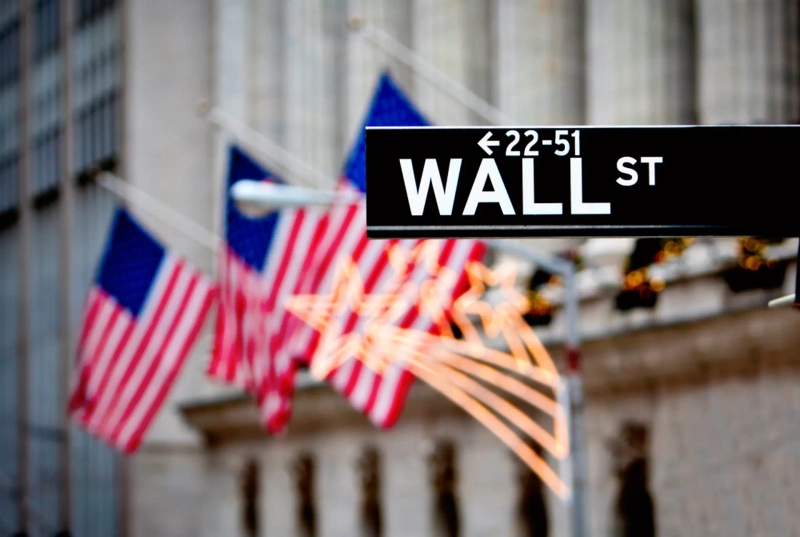
Fears of an escalation in military conflict between Israel and Iran drove European stocks and US stock futures lower on the 17th (local time). Earlier in the Asian markets, Japanese and South Korean stocks rose, while Chinese, Hong Kong, and Indian markets saw slight declines.
On the same day, the Nikkei 225 Index in Japan increased 0.59% and South Korea’s KOSPI rose by 0.12% after the Bank of Japan, as expected, kept interest rates unchanged. The MSCI Asia Pacific Index and the emerging markets index remained nearly flat.
The pan-European Stoxx 600 Index fell 0.6% as of 10:00 a.m. London time.
In the New York stock market, S&P 500 futures fell 0.5% in the early morning Eastern Standard Time, with Dow Jones futures down 0.5% and NASDAQ futures declining 0.7%.
Benchmark Brent Crude Oil, which had fallen the previous day, fluctuated and ended up 1.6% higher at $74.46 per barrel. West Texas Intermediate (WTI) also rose 1.6%, trading at $72.89. The US 10-year Treasury yield fell 2 basis points (1bp=0.01%) to 4.434%, while gold, which had reversed its upward trend, ended down 0.4%. The dollar remained largely unchanged.
President Trump, at the Group of Seven (G7) summit held in Alberta, Canada, the previous night (local time), posted on his social media urging residents of Tehran to evacuate, raising concerns of intensified Israeli airstrikes. Until the day before, the dominant sentiment was optimistic that the military clash between Israel and Iran would not escalate.
President Trump, having returned early from the G7 summit, only concluded a trade agreement with the UK, with no progress made on deals with other countries.
NBC News reported that Iran has asked several countries including Saudi Arabia to urge President Trump to pressure Israel for a ceasefire. Trump also stated that Iran wants to discuss de-escalation with Israel, but remarked that both sides continue to carry out attacks. When asked if the US would take a more active military role, Trump said he did not wish to discuss it.
Jeff Buchbinder, Chief Equity Strategist at LPL Financial, commented, "Israel's key short-term objective is to neutralize Iran’s nuclear threat, and the long-term goal is regime change," suggesting it is unlikely Israel will halt its attacks any time soon.
Analyzing 25 geopolitical shocks since the 1941 attack on Pearl Harbor, he said that stocks have shown resilience even in such scenarios. The strategist added, "On average, the stock market declined about 4.6% over roughly 19 days during geopolitical shocks, and it took an average of 40 days to recover to pre-event levels."
On this day, as expected by economists, the Bank of Japan kept the policy rate unchanged and decided to reduce next year’s bond purchases in response to increased market volatility. As a result, the yen stabilized and long-term government bond yields rose slightly.
The US May retail sales data will be released today, and the two-day Federal Reserve policy meeting will commence. According to the CME FedWatch tool, interest rate futures traders nearly unanimously expect the federal funds rate to remain unchanged at 4.25% to 4.50%.
Contributed by Kim Jung-ah kja@hankyung.com

Korea Economic Daily
hankyung@bloomingbit.ioThe Korea Economic Daily Global is a digital media where latest news on Korean companies, industries, and financial markets.