

PiCK
US Stock Market and Tech Stocks Aim for Record Highs as Middle East Tensions Ease
Summary
- It was reported that the S&P 500 and NASDAQ in the US stock market opened higher as tensions in the Middle East eased.
- Alongside Fed Chair Jerome Powell's Senate testimony, the market is closely watching the possibility of an interest rate cut.
- Risk appetite is strengthening as leading tech stocks like NVIDIA and Coinbase seek new record highs.
Risk appetite revives, tech stocks like NVIDIA rise
Focus on Fed Chair Powell’s dovish remarks in Senate testimony the day before
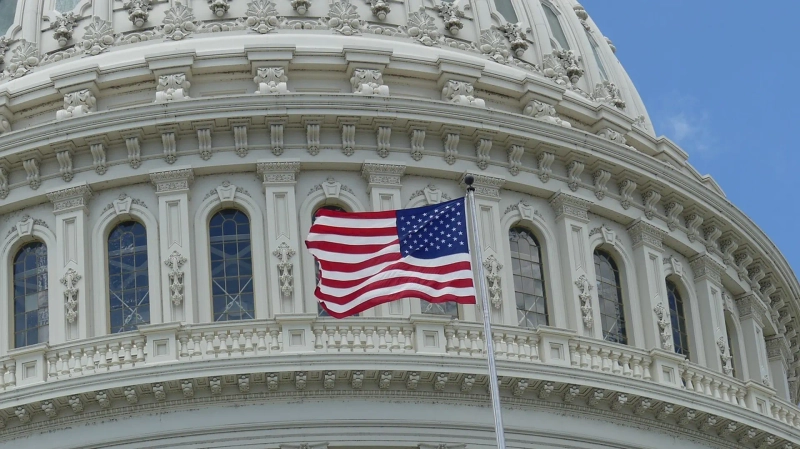
With tensions in the Middle East easing, both the S&P 500 and the NASDAQ in the US stock market started higher once again on the 25th (local time).
As of 10:20 a.m. Eastern time, the S&P 500 was up 0.2% and the NASDAQ 100 climbed 0.4%. The Dow Jones Industrial Average fell by 0.1%.
Ahead of Federal Reserve Chair Jerome Powell’s second day of congressional testimony, bond yields and the dollar edged up slightly.
The 10-year Treasury yield rose by 3 basis points (1bp=0.01%) to 4.32%, while the policy-sensitive 2-year yield fell by 2bp to 3.81%—the lowest since early May.
The Bloomberg Dollar Spot Index advanced 0.2% against other major currencies. The Japanese yen dropped 0.6% to 145.79 yen per dollar.
With risk appetite returning, Bitcoin climbed another 1.8% that day, reaching $108,025.51.
NVIDIA rose by 3% to surpass $152, nearing its all-time high at $153.13.
Coinbase, which had soared the previous day due to an analyst’s rating upgrade, hit an intraday record of $369.28.
Tesla tumbled more than 4% following news that its sales in Europe plummeted in May, amid growing doubts over the scalability of its robotaxi business.
FedEx shares dropped 4.2% after the company warned that profits may deteriorate more than expected this quarter. The company did not provide an outlook for the remainder of the year, suggesting that it is already facing significant tariff-related headwinds.
Powell’s remarks in the House on Tuesday, along with weak consumer confidence data and a sharp drop in oil prices, have fueled expectations for the pace of rate cuts—raising attention on his upcoming Senate testimony. Powell largely maintained that the economy should wait out the effects of tariffs, but said rate cuts could be brought forward if inflation stabilizes and weak hiring persists.
This aligns with recent comments from Federal Reserve Board members Christopher Waller and Michelle Bowman, both of whom said they would support a rate cut next month if incoming data warrants it.
Elias Haddad, a strategist at Brown Brothers Harriman & Co., said the key takeaway from recent Fed speeches is that "there is no rush, but if inflation eases, a rate cut is possible."
Carol Schleif of BMO Private Wealth observed, "Markets tend not to be heavily swayed by geopolitical tensions," adding that the worst phase of the Iran/Israel conflict appears to be over and the market does not see oil supply disruptions as likely. Rather, tariffs, trade, taxes, inflation, employment, and interest rates are all having a much bigger impact on the stock market right now.
President Trump disputed intelligence reports claiming that the US airstrike he ordered had only a limited effect on Iran’s nuclear program.
Contributed by Jungah Kim, Guest Reporter kja@hankyung.com

Korea Economic Daily
hankyung@bloomingbit.ioThe Korea Economic Daily Global is a digital media where latest news on Korean companies, industries, and financial markets.