

Income increased, but wallets stayed shut... Households’ spare funds reach ₩93 trillion, an all-time high
Summary
- In the first quarter, households’ surplus funds reached ₩92.9 trillion, setting a new record high.
- Households reduced consumption and increased savings and investment, resulting in a large rise in deposits at financial institutions and holdings in equity securities and investment funds.
- The Bank of Korea forecasted that household fund procurement and debt will likely expand in Q2 along with greater real estate transactions.
Q1 net fund operations surge by ₩30 trillion
Consumption shrinks despite year-beginning bonuses
Fewer new apartment move-ins also influenced results
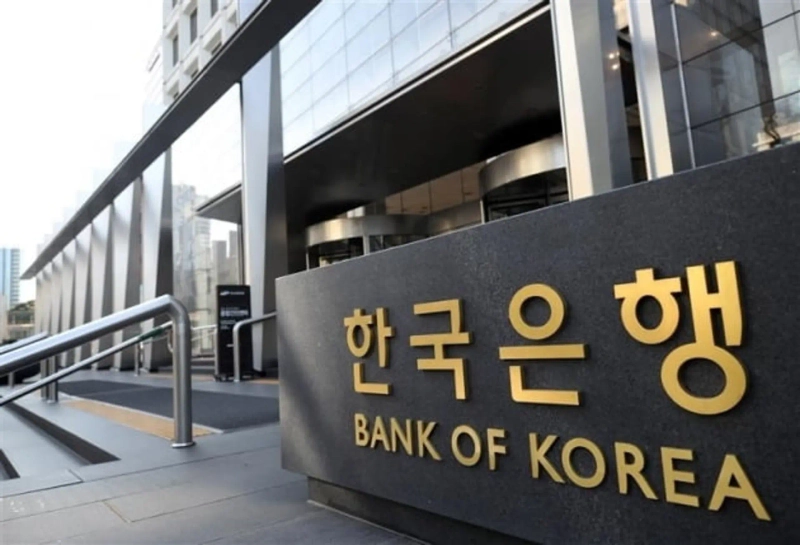
It was found that in the past first quarter, Korean households' surplus funds increased to their largest amount ever recorded. As domestic and global uncertainties surged—such as political turmoil and trade wars—people cut consumption and increased savings and investments.
According to the “Q1 Flow of Funds (Provisional)” statistics released by the Bank of Korea on the 8th, net fund operations by households and nonprofit organizations totaled ₩92.9 trillion in the first quarter. This is over ₩30 trillion higher than the previous quarter’s ₩62.6 trillion, marking a new record high. Net fund operation is calculated as the amount of fund operations by each economic entity minus the amount of fund procurement for the period. Households are generally net fund operators—operating more funds than they procure—while companies are often net fund procurers, securing more funds than they operate. Kang Jin-gyu, a Bank of Korea fund circulation team leader, explained, “Despite increased household income due to year-beginning bonuses, surplus funds grew as new apartment move-ins decreased and consumption slowed.”
The total scale of household fund operations in Q1 was ₩101.2 trillion. Deposits with financial institutions rose by ₩49.7 trillion, and domestic and foreign equity securities and investment fund operations increased by ₩29.3 trillion. Households procured a total of ₩8.2 trillion in funds this quarter, down from ₩8.6 trillion last quarter. The household debt-to-GDP ratio at the end of Q1 was tallied at 89.4%.
The Bank of Korea predicted that the current increase in spare household funds is unlikely to continue into Q2. This is because real estate transactions are expected to become more active in Q2, leading to greater household fund procurement. Kang added, “In Q2, housing transactions are expected to rise in Seoul and the metropolitan area, which will further increase the rise in household debt.”
Non-financial corporations procured a net amount of ₩18.7 trillion in funds in Q1, an increase of ₩2.5 trillion from the previous quarter’s ₩16.2 trillion. Although investment slowed due to worsening economic conditions and rising uncertainties, there was an increase in demand for working capital.
Reporter Kang Jin-gyu josep@hankyung.com

Korea Economic Daily
hankyung@bloomingbit.ioThe Korea Economic Daily Global is a digital media where latest news on Korean companies, industries, and financial markets.