

Trump Publishes Tariff Letters Addressed Specifically to South Korea and Japan… "A Strategy to Incite Competition"
Summary
- President Trump reportedly singled out South Korea and Japan by first revealing tariff pressure on these two countries, aiming for quick negotiations.
- The disclosure of the U.S. 'tariff letter' is interpreted as an intention to induce competition between South Korea and Japan to secure more favorable trade negotiation terms.
- As a result, significant repercussions are expected in the international market and public opinion, depending on the trade surplus with the U.S. and negotiation outcomes for the two countries.
Large Trade Surplus with the U.S. and Linked by Security
Shock to Other Countries by Pressuring Economic Powerhouses in Asia
Ishiba: "No Hasty Compromises"
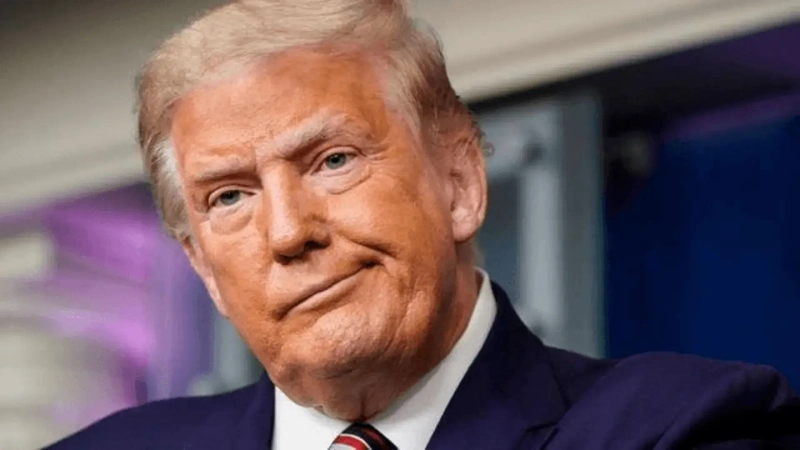
On the 7th (local time), President Donald Trump of the United States sent 'tariff letters' to 14 countries and the fact that he first disclosed the letters sent to South Korea and Japan has sparked various interpretations.
First, there are analyses that the intent was to pressure these two allied countries, which have had massive trade surpluses with the U.S., so as to conclude negotiations quickly. It is also possible that the similar characteristics of South Korea and Japan in their trade with the United States were a factor. Both South Korea and Japan's largest trade surplus partner is the United States. Last year, South Korea recorded a $55.6 billion surplus with the U.S., and Japan also achieved a $63 billion surplus.
It is believed that the strategy also took into account the effect of spurring competition between South Korea and Japan. The two countries have closely monitored each other's negotiations with the U.S. in the course of tariff talks, and the U.S. was well aware of this dynamic, which may explain its intention to stoke competition between them.
Trade authorities have stated that in negotiations with the U.S., "The top priority is to secure better terms than competing countries, or at least not come away with worse outcomes than them." In trade, particularly where price terms are critical, the results of tariff negotiations with countries in similar positions are more significant than general tariff rates. Japan is also as attentive to South Korea's negotiations as vice versa. The unique historical context between South Korea and Japan is cited as another reason that the trade authorities cannot ignore Japan. A government official stated, "If Japan's negotiations had progressed more quickly, public opinion at home would have erupted." This analysis suggests that President Trump, understanding these unique circumstances, moved to gain leverage over allies first.
In addition, although letters were sent to a total of 14 countries including Malaysia, South Africa, and Myanmar, it is assumed that by disclosing the letters to South Korea and Japan first, the U.S. sought to create a greater stir in international opinion and the markets. By showcasing negotiations with the two major economic powers in Asia, excluding China, the intention was likely to send a warning to other Asian countries.
Some speculate that, on a political level, tariff pressure on South Korea and Japan is a safe choice for President Trump. Following the 2024 U.S. presidential election, he has been promoting 'America First' and 'ending unfair trade' as key messages. In this context, targeting Asian allies like South Korea and Japan can appeal to conservative voters in the U.S. and yield political results without provoking the kind of strong backlash seen with China.
Meanwhile, Japanese Prime Minister Shigeru Ishiba stated regarding the U.S.'s intention to impose 25% reciprocal tariffs, "We will avoid hasty compromises," adding, "We are negotiating with full effort by asserting our demands and protecting what must be protected."
New York = Park Shin-Young, Special Correspondent / Kim Dae-Hoon, Reporter nyusos@hankyung.com

Korea Economic Daily
hankyung@bloomingbit.ioThe Korea Economic Daily Global is a digital media where latest news on Korean companies, industries, and financial markets.