

Summary
- Due to the enactment of the US stablecoin law, the European Union (EU) has announced it is speeding up the introduction of the digital euro.
- The EU has also stated that it is reviewing the use of public blockchains such as Ethereum and Solana.
- However, issues regarding the protection of personal data have been raised in relation to the use of public networks, and no final technical decision has been made yet.
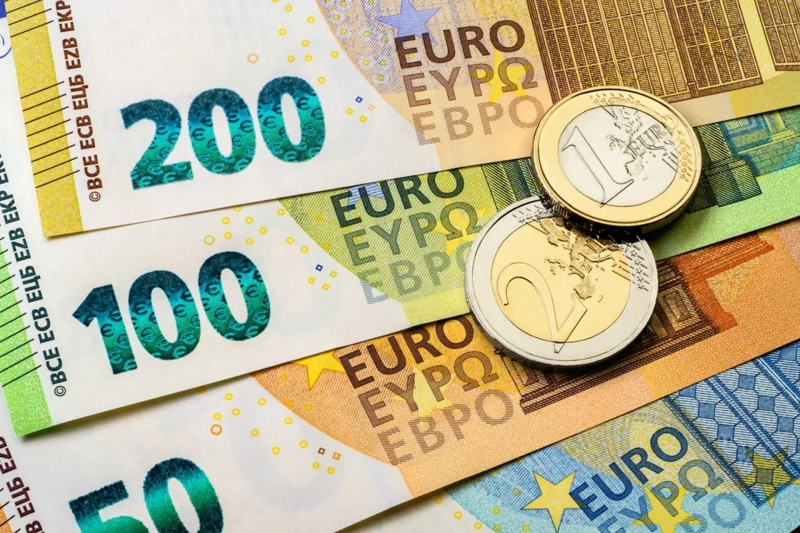
European Union (EU) officials are reportedly stepping up their plans for a digital euro.
On the 22nd, the Financial Times (FT) reported, "As the US recently passed legislation bringing stablecoins into the regulatory mainstream, the European Union (EU) is accelerating its push for a digital euro."
Last month, the United States Congress passed the 'Genius Act,' which was promulgated after being signed by President Donald Trump. This is the first US law to specify reserve requirements and anti-money laundering compliance for stablecoin issuers, a long-standing goal of the industry. The current stablecoin market size amounts to approximately $288 billion (₩402 trillion).
Stablecoins are digital tokens that are pegged 1:1 to fiat currencies such as the dollar and backed by cash or government bonds. They differ in nature from central bank digital currencies (CBDCs). China has already introduced the digital yuan, and the United Kingdom (UK) is considering the introduction of a digital pound.
According to the outlet, there is growing anxiety within the EU that the swift implementation of the US law will further accelerate the spread of dollar-based tokens. As a result, the necessity of introducing a digital euro is becoming more pronounced. An anonymous source stated, "The EU is redrawing its plans for the digital euro."
In particular, EU officials are now even considering running the digital euro on public blockchains such as Ethereum or Solana, instead of private blockchains. However, it is pointed out that using a public network could lead to full transparency in transactions, which may become an issue for personal data protection.
The European Central Bank (ECB) stated, "We are reviewing various technologies for the development of the digital euro, including both centralized and decentralized systems," adding that "no final decision has been made yet."

Minseung Kang
minriver@bloomingbit.ioBlockchain journalist | Writer of Trade Now & Altcoin Now, must-read content for investors.