

U.S. factory activity contracted for six straight months in August…only AI equipment investment 'active'
Summary
- The ISM announced that U.S. August factory activity recorded a sixth consecutive month of contraction.
- It said that in some industries AI hardware equipment investment and spending on intellectual property-related products showed strength.
- Economists said that the factories' prices-paid index remains high, and goods price increases are expected in the second half of this year.
Tariff-affected prices-paid index remains high, inflationary pressure
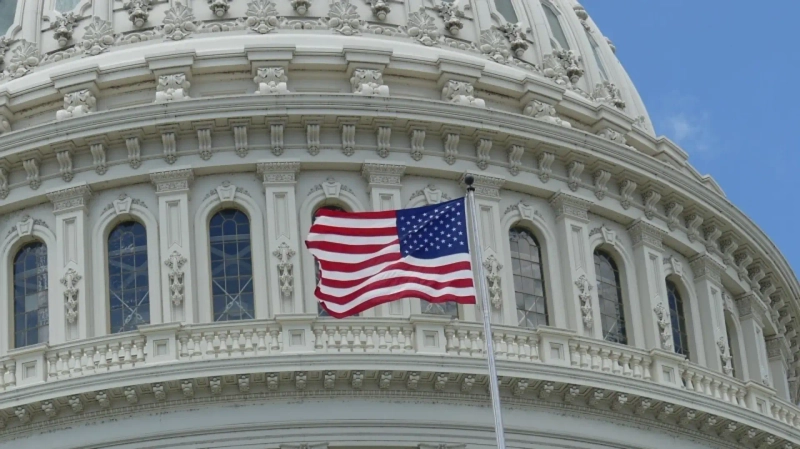
U.S. factory activity in August was reported to have contracted for the sixth consecutive month. However, investment in AI hardware and other factors led some industries to show strong capital spending.
On the 2nd (local time), the Institute for Supply Management (ISM) announced that last month's manufacturing index registered 48.7. It was a slight improvement from July's 48 but is still below 50, indicating a contraction phase.
The manufacturing production index fell 3.6 points to 47.8, returning to contraction for the first time in three months. Due to decreased production, factory employment remains sluggish, at its lowest level since the pandemic. ISM pointed out, "Workforce reductions are accelerating due to uncertainty in short- and medium-term demand."
However, orders increased for the first time since the beginning of the year. The ISM new orders index rose 4.3 points to 51.4, the largest increase since early last year.
In particular, with increased AI-related investment, spending on intellectual property-related products in Q2 grew at the fastest pace in four years, and equipment investment also showed strength.
Ten industries contracted, led by paper products, wood, plastics and rubber, and transportation equipment manufacturers.
The time it takes suppliers to deliver materials to factories rose from 49.3 in July to 51.3, indicating slower deliveries. Accordingly, the prices factories pay for inputs remained at a high level.
The factories' prices-paid index, which appears to be affected by tariffs, fell from 64.8 in July to 63.7 but remained at a high level. Economists expect this figure to lead to higher goods prices in the second half of this year.
Companies warned that since Q2 inventories have declined, costs from tariffs are rising. Economists expect these costs will eventually be passed on to consumers.
Kim Jeong-a, Contributing Reporter kja@hankyung.com

Korea Economic Daily
hankyung@bloomingbit.ioThe Korea Economic Daily Global is a digital media where latest news on Korean companies, industries, and financial markets.