

U.S. shutdown clock accelerated… House-passed budget bill derailed in Senate
Summary
- The passage of a temporary funding bill in the U.S. Congress fell through, increasing the likelihood of a federal government shutdown.
- Due to disagreements between the two parties, the budget was rejected in both the House and the Senate, making a shutdown unavoidable from October 1.
- With Congress in recess and votes canceled, time to respond to the shutdown risk is limited, and investors should be cautious of political risk.
House plan and Democratic plan both rejected… Countdown to shutdown on November 1
Congress enters a one-week recess… Republicans cancel votes scheduled for the 29th–30th
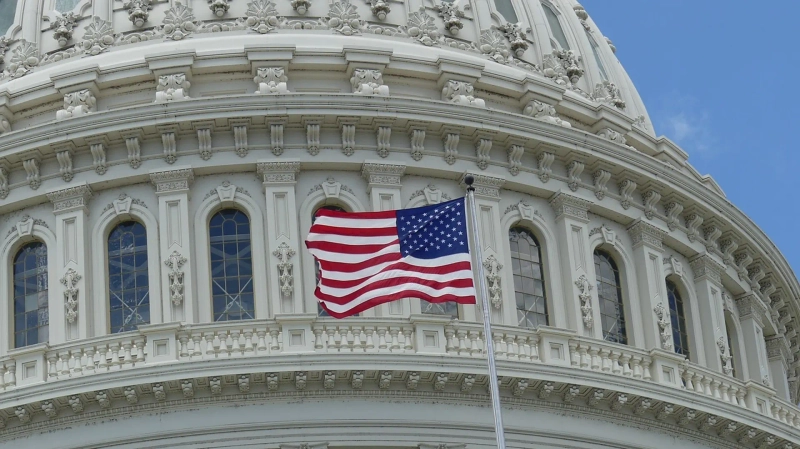
The possibility of a U.S. federal government shutdown has increased as a temporary funding bill failed to pass in Congress. The bill that passed the House was defeated in the Senate.
On the 19th (local time), the House approved a short-term spending bill to maintain current federal government spending levels through November 21 by 217 votes in favor and 212 against.
The measure was a temporary step to avoid a shutdown amid major differences between the Republican and Democratic parties over the budget for the next fiscal year (October 2025–September 2026). Because failure to enact a budget by the 30th of this month would make a shutdown unavoidable from October 1, the bill aimed to extend the deadline and buy time.
However, the bill, which was passed in the House under Republican leadership, was defeated in the Senate by 44 votes in favor and 48 against. All Democratic senators except John Fetterman (Pennsylvania) voted against it.
On the Republican side, Rand Paul (Kentucky), who has argued that the bill would extend spending from the Biden administration, and Lisa Murkowski (Alaska), who has raised concerns about Medicaid cuts signed by President Donald Trump earlier this year, voted against it.
The Senate also put to a vote a Democratic-led interim bill that would push the shutdown-avoidance deadline to October 31 and extend Obamacare subsidies set to expire this year, but it too was defeated due to opposition from Republican senators.
Meanwhile, Congress entered a one-week recess that afternoon. If the schedule remains unchanged, there will be little time to prevent a shutdown after lawmakers return. Senate Republican floor leader John Thune (South Dakota) said the likelihood of the Senate returning early is "small."
House Republican leadership instructed members not to return before the budget deadline at the end of this month and canceled votes scheduled for the 29th and 30th. U.S. political outlet The Hill assessed that this was a final ultimatum to either reconsider the House-passed temporary spending bill or choose a government shutdown.
Senate Democratic leader Chuck Schumer (New York) criticized, "The temporary spending bill requires Democratic votes to pass, but Republicans are refusing to negotiate," adding, "If a shutdown occurs, the responsibility will lie with the Republicans."
Reporter Im Dayeon allopen@hankyung.com

Korea Economic Daily
hankyung@bloomingbit.ioThe Korea Economic Daily Global is a digital media where latest news on Korean companies, industries, and financial markets.