

Chinese government moves to slow pace of Hong Kong real-asset tokenization
Summary
- Chinese authorities issued a directive to halt the Hong Kong real-asset tokenization business, the report said.
- They said concerns over speculative overheating and capital outflows are the reasons for slowing the pace.
- The measure is expected to make cryptocurrency-related stock volatility an important issue for investors.
Suspension directive over concerns of speculative overheating
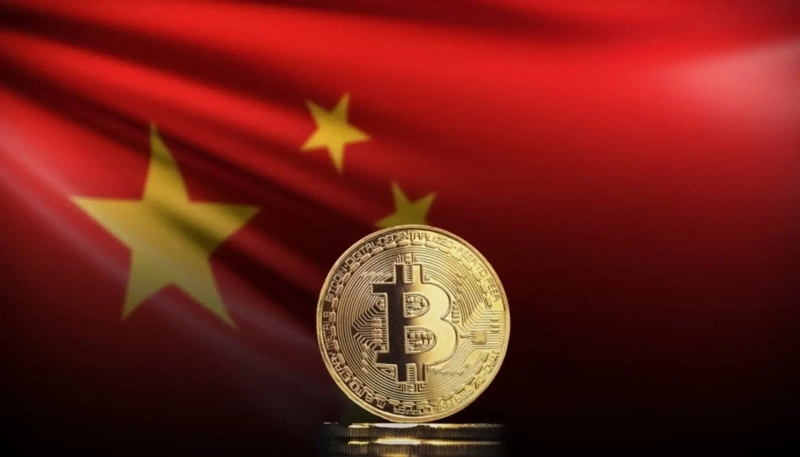
Chinese authorities have put the brakes on the spreading real-asset tokenization business in Hong Kong. Analysts say the move aims to slow the pace amid concerns over capital outflows and speculative overheating.
On the 23rd, Reuters reported that the China Securities Regulatory Commission (CSRC) issued a directive to some large securities firms to halt real-asset projects being promoted in Hong Kong. An industry source told Reuters, "(This measure) is to manage the risks of new businesses and to check whether the business models have a legitimate basis."
Real-asset tokenization is a method of converting traditional assets such as stocks, bonds, and real estate into blockchain-based tokens (virtual assets) for trading. Since last year, Hong Kong has been pushing its digital-asset hub strategy in earnest, introducing not only cryptocurrency trading, investment advisory, and asset management services but also a regulatory framework for stablecoins. According to the Hong Kong Monetary Authority, as of the end of August 77 firms had expressed intent to apply for stablecoin licenses.
Market expectations were high. China-affiliated securities firm Guotai Junan International saw its share price surge more than 400% at one point in June on news that it had received approval to offer cryptocurrency trading services in Hong Kong. China's largest private investment firm Fosun International also saw its stock rise 28% after news that its chairman Guo Guangchang met with senior Hong Kong officials last month.
Experts evaluated the measure as a case where Hong Kong's financial opening strategy clashes with the Chinese government's cautious stance. Chinese authorities have maintained a regulatory stance since banning cryptocurrency trading and mining in 2021 on grounds of financial stability concerns. Last month, they also prevented securities firms from publishing stablecoin research.
Heye-in Lee hey@hankyung.com

Korea Economic Daily
hankyung@bloomingbit.ioThe Korea Economic Daily Global is a digital media where latest news on Korean companies, industries, and financial markets.