

China pushes exports worldwide in response to U.S. tariffs…largest-ever trade surplus
Summary
- China expanded exports worldwide despite U.S. tariff pressure and recorded the largest-ever trade surplus through August.
- The export growth rate to regions excluding the United States reached 10%, which may offset the predicted hit to China's growth.
- Despite expanded exports, corporate profits fell by 1.7%, and it emphasized that investors should be cautious about price cuts and worsening deflation.
Approximately 1,674 trillion won in trade surplus as of August
Exports to regions excluding the United States also rose 10%
Some regions, including Mexico, increased import tariffs on Chinese goods
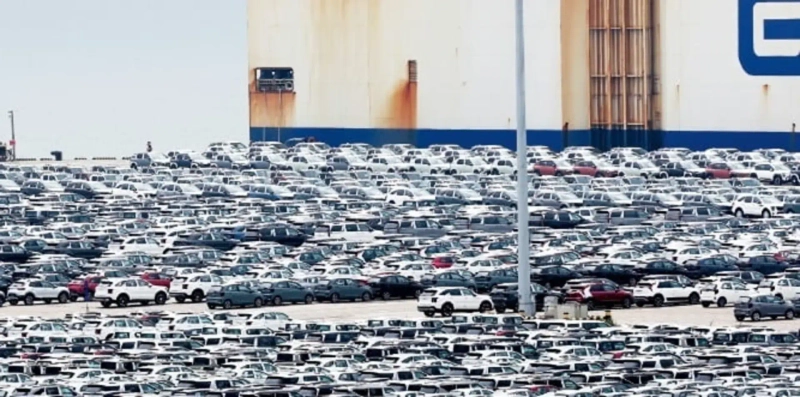
China, facing U.S. tariff pressure, reduced exports to the United States and instead pushed exports out to the rest of the world, recording the largest trade surplus on record through August.
On the 23rd (local time), Bloomberg reported that Chinese companies, restricted from entering the U.S. market, poured products into regions outside the United States and achieved a trade surplus of $1.2 trillion (about 1,674 trillion won) through August this year. This is the largest trade surplus since the Chinese government began compiling trade statistics.
Bloomberg reported that, excluding exports to the United States, exports to other regions of the world also increased by about 10% through August this year. This is the fastest growth since the boom of 2022. In 2022, production and exports once surged after the post-pandemic slump.
Economists had previously predicted that China's annual growth rate would be reduced by nearly half this year following Trump's tariff measures, but stronger exports to other regions are expected to lessen the impact.
As imports from China increase, some countries are seeking measures against the rise in Chinese imports amid potential damage to domestic industries and the possibility of diplomatic friction with China.
So far Mexico has officially retaliated, imposing tariffs of up to 50% on Chinese products such as automobiles, auto parts, and steel.
Indian authorities have received 50 applications for investigations into dumping of goods from multiple countries, including China and Vietnam, in recent weeks.
Chile and Ecuador have quietly imposed fees targeting low-priced Chinese imports after Temu, the Chinese e-commerce giant, saw its monthly active users in Latin America surge 143% since January. Brazil said it would retaliate more aggressively, but recently offered Chinese BYD an opportunity to increase local production without tariffs.
South Africa is courting Chinese investment instead of imposing punitive tariffs on Chinese car exports.
China is using both diplomatic influence and economic threats to prevent retaliatory measures by other countries.
Earlier this month, Chinese President Xi Jinping called for resistance to protectionism at the BRICS summit. The Chinese Ministry of Commerce also warned that Mexico would be criticized and urged it to reconsider before imposing tariffs on China.
President Trump is pressuring NATO member countries to impose tariffs of up to 100% on China over its support for Russia.
If President Trump brings other countries in to attack China, China is likely to take immediate retaliatory action, but that could alienate partner countries at a time when China also needs allies.
Chinese exporters do not appear to be making much money even as exports surge. Under pressure from the Xi Jinping government to reduce domestic overproduction, they sharply cut prices to expand overseas sales, and Chinese companies' profits fell 1.7% through the end of July this year. This is expected to further worsen China's deflation.
The export boom could also disrupt China's economic rebalancing strategy of stimulating consumption. Foreign governments, including the United States, have long urged China to boost domestic demand.
Bloomberg noted that the increase in Chinese exports is good news for President Xi. It said he could strengthen his position by showing the world that China's economy can do well without American consumers.
The United States and China are currently suspending tariffs of up to 145% for 90 days.
Kim Jeong-ah, guest reporter kja@hankyung.com

Korea Economic Daily
hankyung@bloomingbit.ioThe Korea Economic Daily Global is a digital media where latest news on Korean companies, industries, and financial markets.