

NYT "South Korea Obtains More Concessions Than Japan"
Summary
- The New York Times said that South Korea obtained more concessions than Japan in the Korea-U.S. tariff negotiations.
- South Korea and the United States agreed to lower auto tariffs from 25% to 15%, and said they secured safeguards such as imposing an annual investment cap on $200 billion out of $350 billion in investment to the U.S.
- Bloomberg pointed out that South Korea's burden of investment to the U.S. is greater than Japan's, and The Wall Street Journal reported that the agreement was an "unexpected advance."
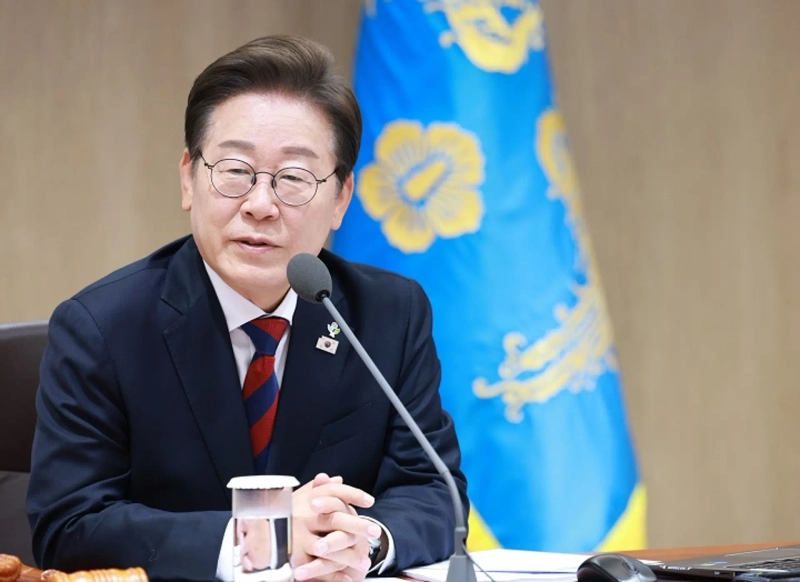
Foreign media said that South Korea obtained more concessions than Japan in the tariff negotiations between South Korea and the United States.
The New York Times (NYT) on the 30th reported the bilateral agreement, saying, "South Korea obtained more concessions than Japan and achieved a generally less burdensome deal." South Korea and the United States agreed to lower auto tariffs from 25% to 15%. Also, South Korea limited the annual investment cap to $20 billion for $200 billion of the $350 billion in investments to the United States. South Korea decided to invest $150 billion through shipbuilding cooperation. It also secured safeguards such as requiring that investment projects have 'commercial rationality'.
Japan did not set an annual investment cap and handed over investment decision-making power to U.S. President Donald Trump, resulting in a more unfavorable deal. NYT pointed out, "If Japan does not follow the Trump administration's decision, Japan risks being subject to higher tariffs." Bloomberg said, "Japan's investment amount to the United States is less than half of its foreign exchange reserves, while South Korea's is about 80%," and added, "The relative burden on South Korea is much greater."
The Wall Street Journal reported that the agreement was an "unexpected advance." The reason is that although South Korea and the United States had reached a broad tariff negotiation agreement last July, they had been unable to find common ground for months on issues related to the cash portion of the U.S.-bound investment fund, investment period, and profit distribution.
Kim Dong-hyun, Reporter 3code@hankyung.com

Korea Economic Daily
hankyung@bloomingbit.ioThe Korea Economic Daily Global is a digital media where latest news on Korean companies, industries, and financial markets.