

Editor's PiCK
U.S. House members urge review of staking tax standards…"Need to resolve double taxation"
공유하기
- U.S. House members urged the IRS to review the tax standards for staking rewards, pointing out the issue of double taxation.
- The members emphasized that the current staking tax regime is deterring investor participation.
- Some representatives are separately discussing measures such as deferring taxation timing for staking and mining rewards and excluding small stablecoin transactions from taxation.
- The article was summarized using an artificial intelligence-based language model.
- Due to the nature of the technology, key content in the text may be excluded or different from the facts.
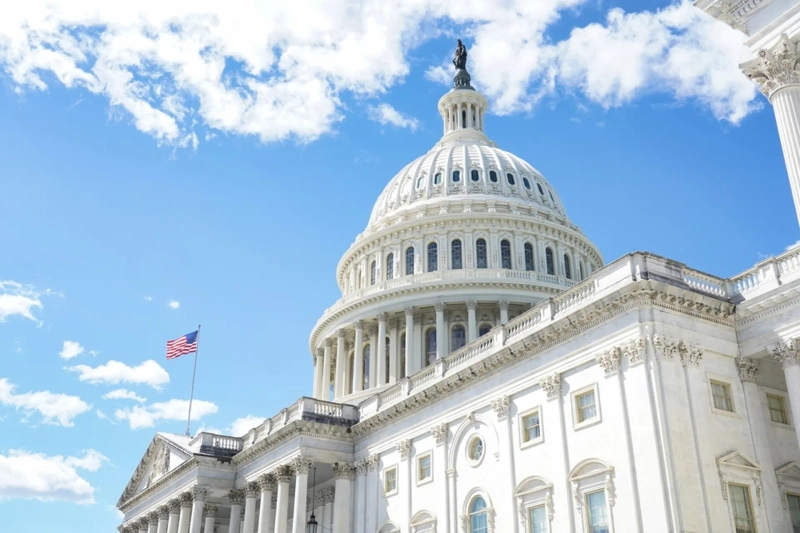
A movement to request a review of the U.S. taxation method for virtual asset staking is gaining momentum in Congress. Bipartisan House members have urged tax authorities to revise guidelines, saying the current system imposes excessive tax burdens.
On the 22nd (local time), according to Cointelegraph, 18 Republican and Democratic members of the U.S. House of Representatives sent a letter on the 20th to Scott Bessent, acting commissioner of the U.S. Internal Revenue Service (IRS), asking for a review of tax guidance on virtual asset staking rewards. The letter was led by Republican Rep. Mike Carey.
In the letter, the members pointed out that the current method of taxing staking rewards by imposing taxes at the time of payout and at the time of sale "creates excessive administrative burden and effectively double taxation." They argued that the standard should be changed to tax the reward when it is actually sold. Rep. Carey said, "This is a request for fair taxation of digital assets, and resolving the double taxation of staking rewards is an important first step."
The members also emphasized that the current tax system is deterring staking participation. The letter stated, "Millions of Americans hold tokens of these networks, and to maintain network security and U.S. technological leadership, they must be able to stake those tokens," adding, "but the current tax regime is discouraging participation with excessive tax burdens and administrative risks."
Furthermore, the members asked whether there are administrative obstacles to revising the guidance within the year, emphasizing that this adjustment aligns with the current administration's policy of "strengthening U.S. leadership in digital asset innovation."
Meanwhile, discussions about easing virtual asset tax rules are not new. On the 21st, Representatives Max Miller and Steven Horsford separately released a draft that would exclude small stablecoin transactions from capital gains tax and defer the taxation timing of staking and mining rewards. However, that proposal differs in that it would offer an option to defer income recognition for up to five years rather than fully revising the current system.


![[Analysis] "Bitcoin, 2026 will be a period of increased volatility… Long-term bullish outlook remains"](https://media.bloomingbit.io/PROD/news/350f83ea-a321-487c-a1bb-b05964654cf9.webp?w=250)