

Editor's PiCK
Bitcoin posts annual decline for first time in three years…Hit record high in early October then 'plummeted'
공유하기
- This year Bitcoin recorded an annual decline for the first time in three years after extreme volatility.
- After reaching an all-time high in October, a sharp decline followed due to leverage liquidations and tariff policy issues.
- Experts say Bitcoin has shown a high correlation with the stock market, strengthening its character as a risk asset.
- The article was summarized using an artificial intelligence-based language model.
- Due to the nature of the technology, key content in the text may be excluded or different from the facts.
Leveraged investments unwound, resulting in a record US$19 billion liquidation
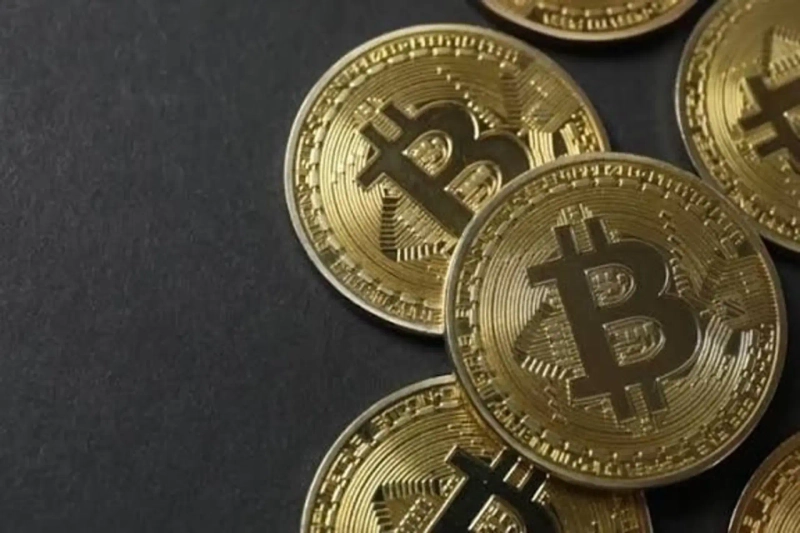
The price of Bitcoin, the cryptocurrency ranked No. 1 by market capitalization, posted an annual negative for the first time in three years after a 'roller-coaster' 2025.
On the 31st (local time), according to U.S. crypto exchange Coinbase, as of 5 p.m. Eastern Time the price of one Bitcoin was $87,646. It was trading about 7% lower compared with the start of the year.
Accordingly, unless there was a notable evening rebound, Bitcoin was set to return to a decline for the first time in three years. Bitcoin had enjoyed a two-year upswing since 2022.
Bitcoin showed extreme volatility this year, recording both an all-time high and the largest-ever liquidation. Riding expectations for 'pro-crypto' policies from U.S. President Donald Trump, who styled himself the 'crypto president,' Bitcoin began the year on an upward trend. Then in April, when President Trump opened the door to a global 'tariff war,' it plunged along with the stock market.
Later, the enactment of the so-called 'Genius Act,' which brings stablecoins (value-stabilized digital assets pegged to the dollar) into the regulatory framework, provided a tailwind for the crypto market, including Bitcoin. Bitcoin also managed to rebound.
As a result of the rally that continued into early October, Bitcoin hit a record high of $126,210 on October 6.
However, just days after the record, on October 10 President Trump announced he would impose 100% tariffs on imports from China and implement export controls on major software, and the market froze again.
In the process, leveraged positions financed by borrowing were forcibly liquidated, producing the largest liquidation in crypto history — US$19 billion (about 27.4 trillion won).
Crypto investors' hopes for an October 'Uptober' and a November 'Moonvember' rally were repeatedly dashed. In particular, November recorded the largest monthly decline since mid-2021.
Experts say that this year Bitcoin has solidified its role as a 'risk asset' similar to stocks in global financial markets. Lyn Tran, chief market analyst at financial firm XS.com, told Reuters, "2025 was a year in which Bitcoin more clearly displayed characteristics of a risk asset," adding, "It showed a high correlation with the U.S. stock market across multiple periods."
That suggests that Bitcoin, once called 'digital gold' and seen as an alternative investment that moved independently of the stock market, is starting to resemble stock market sentiment as institutional and retail investors flood in. Analysts expect Bitcoin to remain sensitive next year to major market variables such as monetary policy and debates over an artificial intelligence (AI) bubble.
Park Soobin, Hankyung.com reporter waterbean@hankyung.com