
Editor's PiCK
Gold up 60%·Silver 160% in one year 'surge'…Will the commodity rally continue?
공유하기
- The report said major commodities such as gold and silver have recorded gains of 60% and 160% respectively over the past year.
- It stated that industrial metals such as copper, platinum, and palladium have also maintained strong rises due to AI industry benefits and supply shortages.
- Experts pointed to the possibility of a short-term correction following the sharp price rises, while forecasting that long-term upside potential centered on gold will be maintained.
- The article was summarized using an artificial intelligence-based language model.
- Due to the nature of the technology, key content in the text may be excluded or different from the facts.
Gold·Silver followed by strength in copper·platinum-group metals
Metal rally spreading with AI benefits
"Short-term correction possible in the first half of the year due to price surge"
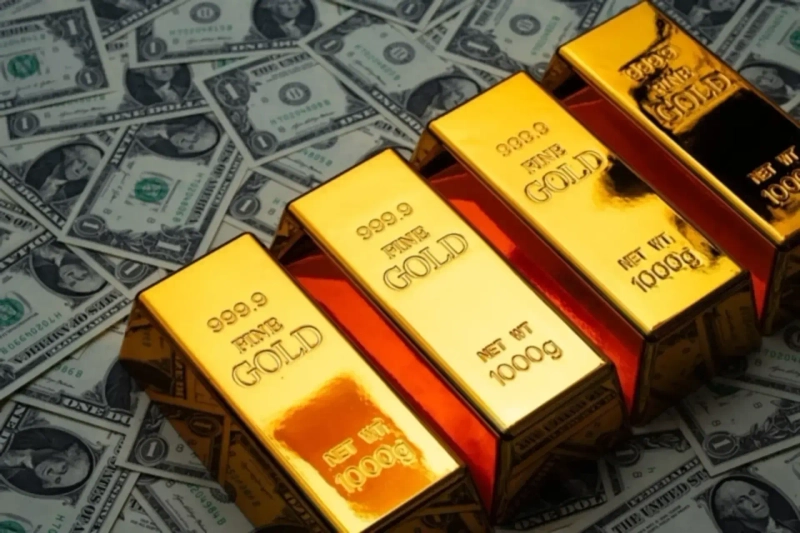
Gold and silver have surged more than 60% and 160% respectively so far this year. Following them, copper and platinum-group metals such as platinum and palladium have also shown strong trends, extending the rally across the commodity market. However, experts weigh the likelihood that metal price strength will be maintained over the long term while also projecting that a short-term correction may be unavoidable in the first half of this year.
According to the New York Commodity Exchange (COMEX), as of December 30 last year, gold futures rose from 2641 dollars per ounce to 4386.30 dollars, a 66.08% increase. Over the same period, silver prices jumped 166.48%, rising from 29.24 dollars to 77.92 dollars.
Geopolitical uncertainties, including the Russia–Ukraine war and heightened tensions between the U.S. and Venezuela, increased preference for gold as a safe-haven asset. Concerns over the expansion of the U.S. fiscal deficit and expectations of interest rate cuts, combined with a weaker dollar outlook, also stimulated demand for gold investment.
Silver prices also surged due to its safe-haven characteristics combined with industrial demand. Silver has high electrical conductivity and is widely used across advanced industries such as artificial intelligence (AI), photovoltaics, electric vehicles, and space industries. Its role as an alternative investment to gold also acted as an upward force.
Following strength in gold and silver, industrial metals such as copper and platinum-group metals have seen rising momentum. On the London Metal Exchange (LME), three-month copper rose to 12,512 dollars per ton on the 30th, hitting a record high. Copper, an essential material for power facilities, has benefited from expanded investment in the AI industry, rising 43.71% so far this year.
According to the New York Mercantile Exchange (NYMEX), platinum futures are at 2025 dollars per ounce, up 147.67% from the end of last year. On the 26th, it reached a record high of 2534.70 dollars. Palladium, a platinum-group metal, also rose 89.83% this year.
When the U.S. designated platinum and palladium as "critical minerals," raising the possibility of tariffs, large volumes of spot supplies moved to the U.S. That led to reduced supply in other regions, pushing up prices. In addition, the European Union's (EU) withdrawal of the policy to fully ban sales of internal combustion engine vehicles raised expectations for platinum demand used in engine exhaust purification systems.
However, the market places weight on the possibility of a short-term correction given the recent rapid price surge. After that, it is expected that the upside potential, centered on gold, will be maintained.
German precious metals refiner Heraeus, in its recently published 2026 outlook report, presented expected price ranges of △Gold 3750~5000 dollars △Silver 43~62 dollars △Platinum 1300~1800 dollars △Palladium 950~1500 dollars. Except for gold, the upper bounds are lower than current levels.
Heraeus said, "After the surge in 2025, until the first half of 2026 the process of price reset(Reset) and consolidation(Consolidation) will continue," while evaluating that "major central banks are likely to maintain low real interest rates, so demand for precious metals investment will retain its base."
Park Su-bin, Hankyung.com reporter waterbean@hankyung.com