
Editor's PiCK
West Virginia Introduces Bill to Allow Public Funds to Invest in Bitcoin and Gold
공유하기
Summary
- The West Virginia Legislature said it has introduced a bill that would allow public funds to be invested in bitcoin and physical assets such as gold and silver.
- The bill would allow up to 10% of public funds to be invested in digital assets with a market capitalization of at least $750 billion and regulator-approved stablecoins.
- It said the bill includes options to generate additional returns through SEC- and CFTC-registered ETPs, staking, and digital-asset lending.
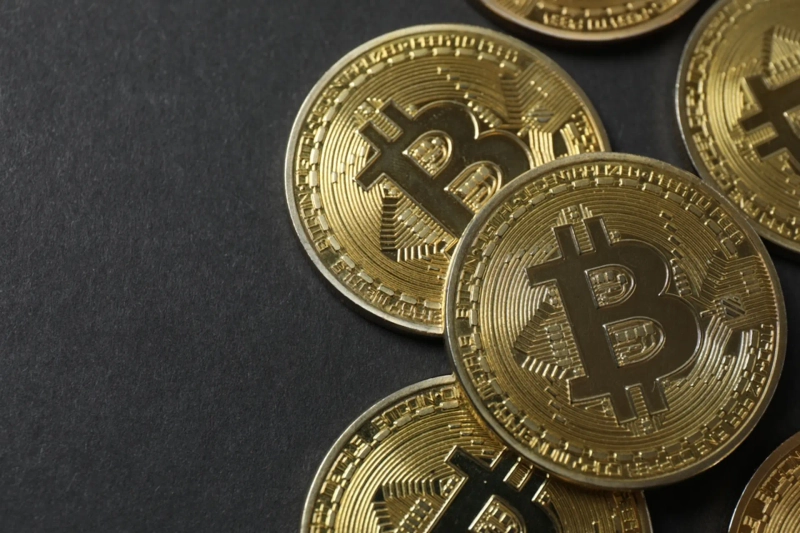
The West Virginia Legislature has introduced a bill that would allow state-level investment in physical assets such as bitcoin and precious metals including gold and silver. The move seeks to formally incorporate digital assets as an inflation hedge.
On the 14th (local time), West Virginia state Sen. Chris Rose introduced Senate Bill SB 143, centered on the "Inflation Protection Act of 2026."
The bill would allow a portion of public funds managed by the state Treasury Board to be invested in: ▲precious metals such as gold, silver and platinum ▲digital assets with a market capitalization of at least $750 billion ▲regulator-approved stablecoins. The investment limit is capped at up to 10% per account.
In practice, bitcoin is the only digital asset that meets the criteria. While the bill does not name any specific asset, it sets the condition of an "average market capitalization of at least $750 billion in the prior year."
It also lays out strict standards for how digital assets must be held. Holdings would be permitted only via a secure custody solution in which the state directly controls private keys, through a qualified custodian, or in the form of exchange-traded products (ETPs) registered with the SEC or CFTC. For stablecoins, only those that have received regulatory approval at the federal or state level would be allowed.
The bill also includes provisions to generate additional returns through staking and lending. Staking via third-party solutions would be permitted as long as legal ownership is maintained, and digital-asset lending would also be allowed to the extent it does not increase treasury risk.
For state retirement pensions, direct spot holdings of digital assets would not be allowed, but investment in digital asset-linked ETPs registered with the SEC or CFTC would be permitted. Explaining the rationale for introducing the bill, Rose said it is aimed at "expanding options to protect the real value of public assets in an inflationary environment."




![TSMC posts record results…Philadelphia Semiconductor Index rises 1.76% [New York Stock Market Briefing]](https://media.bloomingbit.io/PROD/news/6224375d-6b6e-42f0-9138-cc0805a80a83.webp?w=250)