

"U.S. virtual asset market-structure bill hinges on key issues including stablecoin interest"
Summary
- Reported that passage of the U.S. Senate's virtual asset market structure bill depends on resolving the stablecoin interest payment issue.
- Stated that whether to include a provision restricting the president family's virtual asset business is another point of contention for the bill's passage.
- Said the bill could affect market development due to debate over the scope of regulation of DeFi (decentralized finance) and protection of software developers.
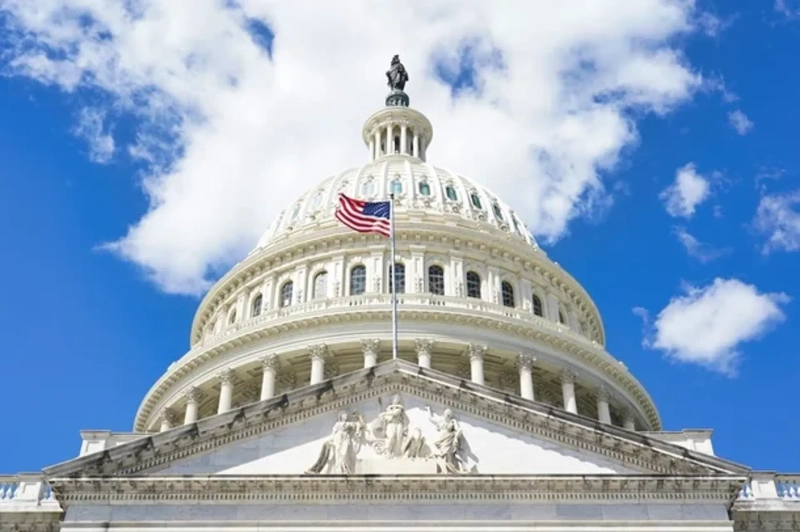
There are views that the U.S. Senate is having difficulty with final adjustments to pass a virtual asset (cryptocurrency) market-structure bill.
On the 5th (Korea time), according to the virtual asset-focused outlet The Block, virtual asset lawyer Jake Chervinsky said, "Three major issues must be resolved for the virtual asset market-structure bill to pass," adding, "If these obstacles are not resolved, it will be difficult for the bill to pass within this year."
First is the issue related to stablecoin interest income. Chervinsky said, "Banks are stipulating under this year's 'Genius law' that stablecoin issuers cannot pay interest," but "this provision is being interpreted narrowly, and banks are showing movements to exploit it. This could make it difficult for the bill to pass," he said.
The virtual asset business activities of President Donald Trump's family are also an obstacle. Chervinsky said, "Some Democratic lawmakers insist they will oppose the bill unless a provision restricting the president family's virtual asset business activities is included," and "a solution to this issue has still not been found."
The most important final issue is decentralized finance (DeFi). Chervinsky argued about DeFi regulation that "the bill should regulate only centralized platforms and should play only a protective role for DeFi."
He warned, "DeFi software developers must be protected from being considered intermediaries, otherwise it could seriously affect the development of the DeFi ecosystem." He added, "There are attempts by some traditional financial firms to classify DeFi developers and validators as regulated intermediaries," and "this can be interpreted as an intent to maintain regulatory barriers in financial markets, and such regulatory moves could hinder the free development of DeFi," he expressed concern.

Uk Jin
wook9629@bloomingbit.ioH3LLO, World! I am Uk Jin.