

U.S. Financial Stability Oversight Council: "Virtual assets and stablecoins are not an immediate systemic risk"
Summary
- The U.S. Financial Stability Oversight Council officially stated that virtual assets and stablecoins are no longer an immediate risk to the financial system.
- It said that federal regulatory frameworks, including the GENIUS Act, have increased institutional clarity.
- The report assessed that most on-chain activity is associated with legitimate use and that integration with the regulated financial sector is progressing.
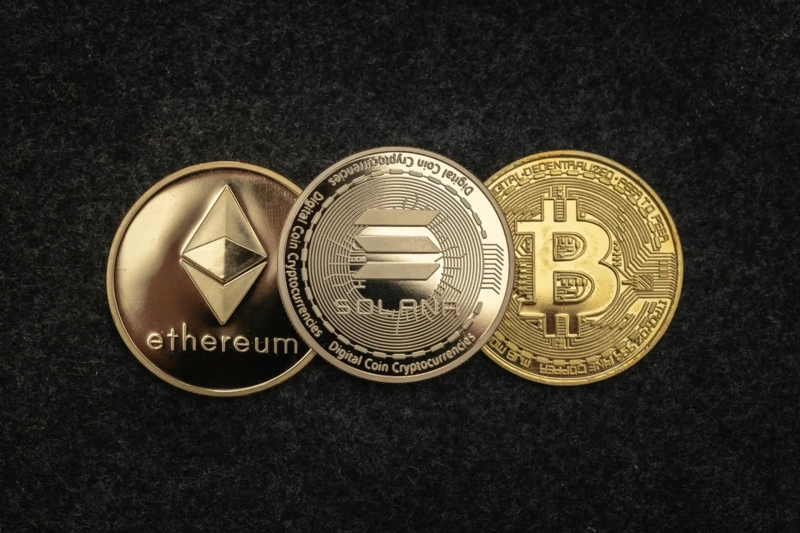
U.S. financial authorities have issued an official position that they no longer view virtual assets and stablecoins as an immediate threat to the financial system. It is assessed that risk perceptions have eased as a federal-level regulatory framework has been established.
On the 16th (local time), according to Decrypt, the U.S. Financial Stability Oversight Council (FSOC) said in its recently released 2025 annual report that it has eased its previously cautious stance toward virtual assets and stablecoins.
The report mentions the 'GENIUS Act', a stablecoin regulatory bill that took effect in July, and explains that a federal regulatory framework for payment stablecoins has been built, greatly increasing institutional clarity.
FSOC omitted warnings about the risk of bank runs and market concentration, which it had repeatedly raised in the past, from this report. Instead, it assessed that improvements to the regulatory environment are supporting stablecoin innovation in the United States.
The report also states that a significant portion of on-chain activity is associated with legitimate use rather than illicit finance. This is interpreted as reflecting the perception that virtual asset trading and use are gradually integrating with the regulated financial sector.

Suehyeon Lee
shlee@bloomingbit.ioI'm reporter Suehyeon Lee, your Web3 Moderator.