

Bank of Korea "Petroleum product prices rise due to high exchange rate…continue to be mindful of exchange rate impact"
Summary
- The Bank of Korea said high exchange rates led to petroleum product prices rising.
- It said it will continue to monitor because exchange rates could affect prices in the future.
- It said that weak international oil prices are expected to lower the inflation rate to around 2%.
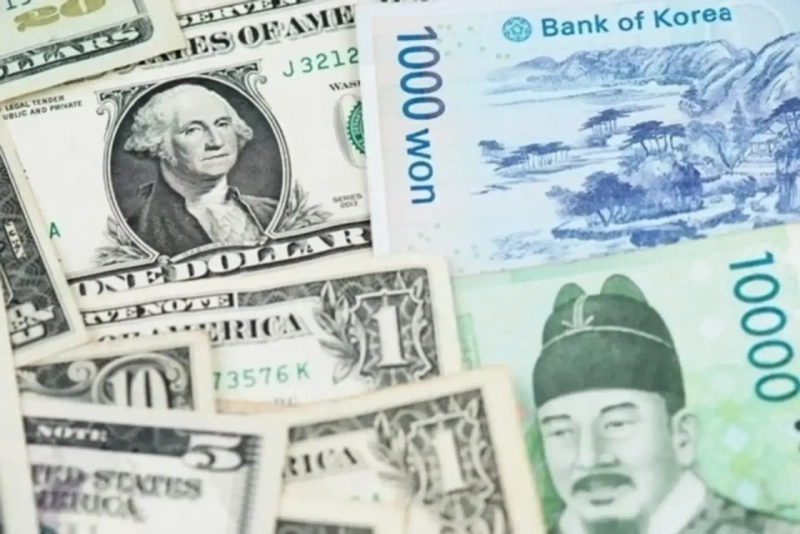
The Bank of Korea said that this month's inflation rate of 2.3% reflected "a continued rise in petroleum product prices due to the impact of high exchange rates." The Bank said it will continue to monitor related matters, seeing that exchange rates may continue to affect prices.
BOK Deputy Governor Kim Ung held a price situation review meeting at the Bank of Korea headquarters on Namdaemun-ro, Seoul, on the 31st and reviewed the December and annual inflation rates announced that day by the National Data Office. The Bank attributed this month's inflation rate being 2.3%, lower than the previous month (2.4%), to agricultural, livestock and fisheries products reducing it by 0.1% percentage point and other items such as processed foods reducing it by -0.06% percentage point. The Bank assessed that shipments of major agricultural products expanded and the government's price stabilization measures had an effect.
On the other hand, petroleum products and core inflation pushed up prices by 0.01% percentage point and 0.02% percentage point, respectively. The Bank explained, "Despite the decline in international oil prices, the impact of the high exchange rate caused the rate of increase in petroleum product prices to rise from 5.9% in November to 6.1% in December."
Regarding future trends, Deputy Governor Kim said, "While core inflation continues a stable trend around 2%, we expect that the inflation rate will gradually fall to about 2% due to the weakness in international oil prices." However, he added, "Since the cost of living remains high in the high-2% range, we will continue to monitor the price situation while paying attention to the impact of the exchange rate on prices and the price trends of agricultural, livestock and fisheries products during the winter."
Reporter Kang Jin-gyu josep@hankyung.com

YM Lee
20min@bloomingbit.ioCrypto Chatterbox_ tlg@Bloomingbit_YMLEE