

"Ripple's XRP selling strategy is not 'profit-taking' but an investment in building a global payment network"
Summary
- Will Taylor, founder of CryptoInsightUK, pointed out that Ripple's sale of XRP is not a simple 'profit-taking' but an investment in building a global payments infrastructure.
- Taylor said that even if Ripple monetizes some XRP, it is for a strategic purpose of increasing XRP utility, not accumulating traditional assets.
- He said Ripple's corporate acquisitions and infrastructure expansion are meant to lay the groundwork for XRP's efficient operation, focusing on long-term network effects and institutional adoption.
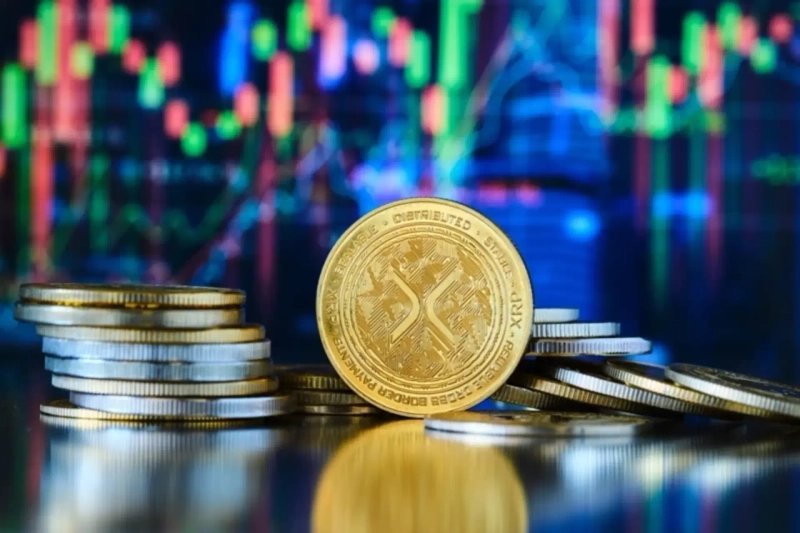
Supporters of XRP have rebutted criticism surrounding Ripple's sale of XRP. They argue that the claim that Ripple sells XRP to accumulate traditional assets is an interpretation that reverses cause and effect.
On the 31st (local time), crypto analyst and founder of CryptoInsightUK, Will Taylor, wrote on X, "XRP critics have reached nearly the correct answer but are missing one key step," pointing out misunderstandings about Ripple's business structure.
Taylor explained that Ripple's sale of XRP is not intended to dispose of a volatile digital asset and replace it with safe traditional assets. He said, "It is true that Ripple monetizes some XRP, but this is not to replace XRP with traditional assets."
He emphasized that XRP should be seen as a strategic asset, not simply operating funds. Taylor said, "If assets amounting to about 40% of the total supply could, in the long term, exceed the company's entire balance sheet, they are not treated like ordinary cash," adding, "Selling such assets to build up ordinary corporate equity would be irrational."
He said Ripple's corporate acquisitions and infrastructure expansion strategy should be interpreted in the same context. Taylor described acquisitions like Hidden Road, building stablecoin infrastructure, and tokenized government bond payment rails as 'amplifiers' to increase XRP's utility, not as means to replace XRP.
He said, "The companies and infrastructure Ripple secures are not the end destination but a process of building the plumbing for XRP to function efficiently," explaining, "This is an investment to complete a payments and liquidity stack centered on XRP."
In such a structure, XRP is placed at the center of Ripple's financial strategy, and the logic is that as institutional adoption increases, demand as a neutral payment asset is strengthened. Taylor called this, "not dilution but a capital allocation for long-term network effects."
He said, "If Ripple were a traditional financial firm seeking short-term profits, there would be no reason to obsess over a neutral payment asset structure or institutional integration of XRP," adding, "The ultimate goal is not to sell XRP to buy assets, but to use assets to make XRP an essential means of payment."

YM Lee
20min@bloomingbit.ioCrypto Chatterbox_ tlg@Bloomingbit_YMLEE