PiCK
WSJ: "Tether has become a tool to evade Venezuela sanctions and a means of survival"
Summary
- The Wall Street Journal reported that Tether (USDT) has been used in Venezuela as a means of evading sanctions and as a de facto substitute for the U.S. dollar.
- Experts said the use of stablecoins is likely to continue regardless of political change, noting that Tether has already become established as a means of everyday payment and a store of value.
- Tether said it strictly complies with U.S. and international sanctions and takes measures such as freezing wallets for addresses tied to illegal activity.
Forecast Trend Report by Period


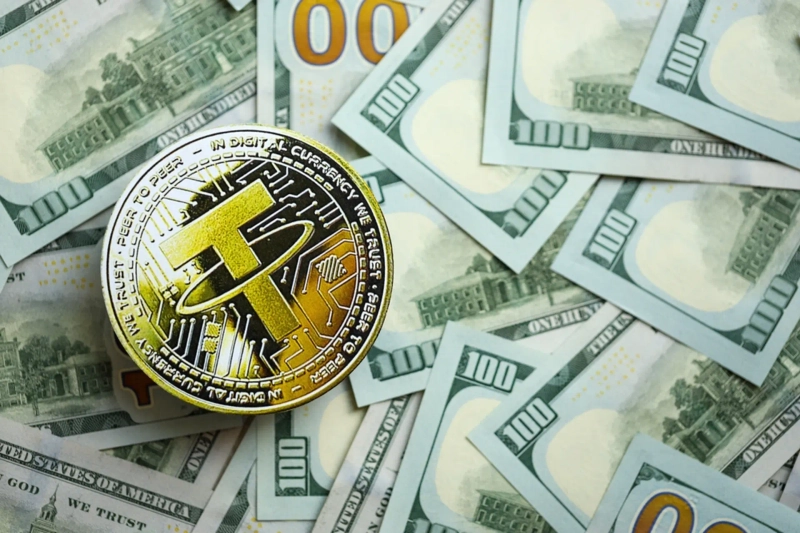
The Wall Street Journal (WSJ) reported that the dollar-pegged stablecoin Tether (USDT) has deeply permeated Venezuela’s economy, serving as a way to skirt sanctions and as a de facto substitute for the U.S. dollar.
On the 11th (local time), the WSJ said that “some state entities, including Venezuela’s state oil company, used Tether as a payment method to bypass international sanctions, while ordinary citizens have relied on stablecoins to preserve the value of their assets amid extreme hyperinflation.”
According to the WSJ, a prolonged economic downturn and the collapse of the currency’s value have severely eroded the real value of the bolívar, Venezuela’s local currency, and in the process Tether has spread as an informal means of payment and saving that substitutes for access to dollars. In particular, its ability to bypass traditional financial networks in overseas remittances or payments tied to crude-oil transactions was cited as a key driver of adoption.
Although the political landscape has shifted rapidly following the arrest of President Nicolás Maduro, experts say stablecoin usage is likely to persist for some time regardless of any change in government. That is because it will take considerable time to normalize financial infrastructure, and Tether has already taken hold as a means of everyday payment and a store of value.
Tether, for its part, said it strictly complies with U.S. and international sanctions, and that it cooperates with law enforcement by taking steps such as freezing wallets when necessary for addresses linked to illegal activity. The company reiterated that it does not condone its stablecoin being used for sanctions evasion or illicit activity.

Suehyeon Lee
shlee@bloomingbit.ioI'm reporter Suehyeon Lee, your Web3 Moderator.