PiCK
"US-Iran tensions back in focus…Middle East geopolitical risk re-emerges as a market driver"
Summary
- An analysis said Middle East geopolitical risk surrounding the United States and Iran is resurfacing as a price-setting variable across financial markets.
- Bitunix said it assessed that if negotiations break down, oil prices and inflation expectations could be jolted, weighing on global risk assets.
- It added that if the conflict becomes prolonged and affects trust in the dollar or the global payments architecture, Bitcoin’s role as a non-sovereign asset could draw attention.
Forecast Trend Report by Period


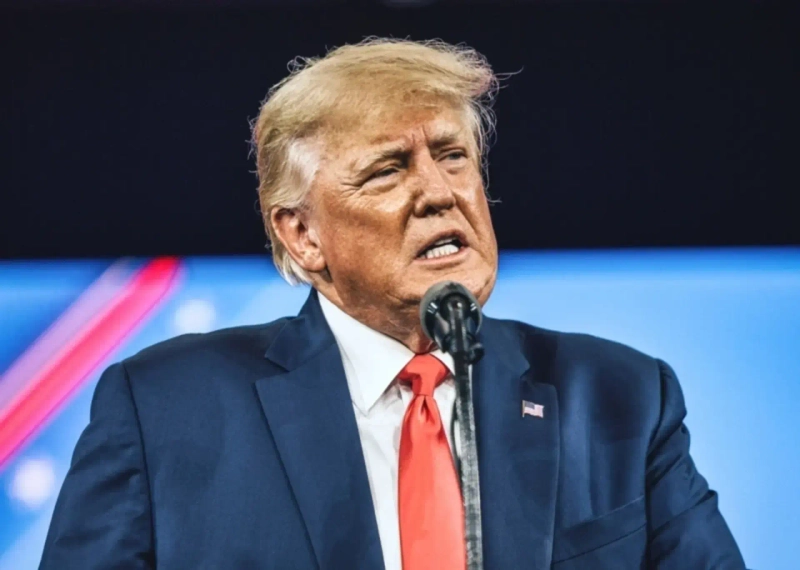
As geopolitical tensions surrounding the United States and Iran escalate again, an analysis suggests that risks in the Middle East are resurfacing as a key price-setting variable across financial markets.
According to BlockBeats, a US crypto-focused media outlet, US President Donald Trump said in a recent interview with Axios that "the situation is changing" regarding developments in Iran, and disclosed that the United States has deployed substantial naval and air assets in the region, including a carrier strike group. While not ruling out military options, Trump added that Iran "wants an agreement," leaving room for a diplomatic solution.
Earlier, on the 22nd (local time), Trump told reporters aboard Air Force One on his way back to the United States from Switzerland that "a lot of big ships are heading in that (Iran) direction" and that he would "see what happens."
Markets are interpreting this as a so-called strategy of "negotiations under pressure," combining military coercion with talks. The view is that the United States aims to bolster deterrence through an enhanced military presence while seeking to extract Iranian concessions on key issues such as uranium enrichment and missile programs. Still, some assessments note that uncertainties remain over Iran’s holdings of nuclear material, meaning the risk of confrontation has not been fully eliminated.
Global crypto exchange Bitunix said that "Middle East geopolitical risk is once again being reflected in the financial market’s price formation process," and assessed that "if negotiations break down, oil prices and inflation expectations could be jolted at the same time, weighing on global risk assets."
Regarding the crypto market, it said that "in the short term, Bitcoin continues to move similarly to other risk assets and is highly likely to react to geopolitical shocks in a manner closer to equities." However, it added that "if the conflict becomes prolonged or tougher sanctions affect trust in the dollar or the global payments architecture, Bitcoin’s characteristics as a non-sovereign asset could again draw attention."
It continued, "the key variable at this point is less whether there will be a military clash and more whether diplomatic channels can be maintained," adding that "until uncertainty becomes protracted, elevated volatility and subdued risk appetite are likely to persist."

Minseung Kang
minriver@bloomingbit.ioBlockchain journalist | Writer of Trade Now & Altcoin Now, must-read content for investors.