Summary
- The report said the S&P 500 briefly broke above 7,000 intraday for the first time before finishing near flat.
- It said semiconductor stocks—notably Seagate Technology, Micron and Intel—surged on strong earnings and robust demand.
- It noted that the FOMC held rates steady and described economic activity as solid, easing market concerns.
Forecast Trend Report by Period


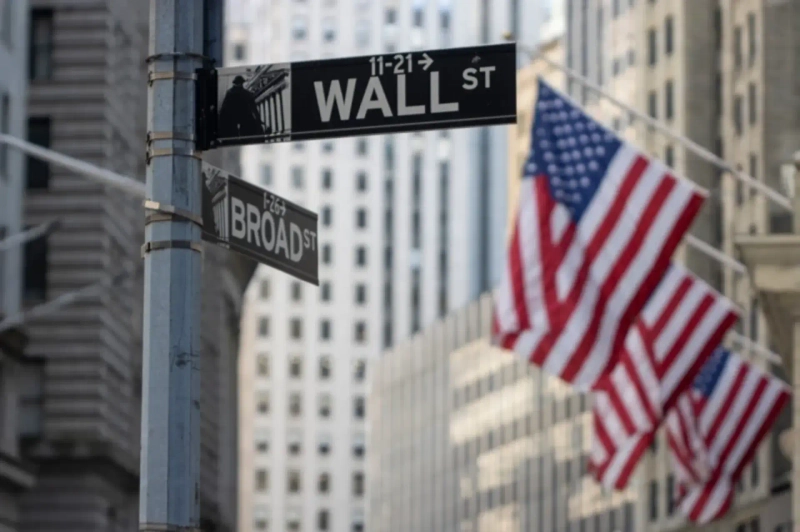
The three major U.S. stock indexes ended mixed. Ahead of earnings releases, tech and semiconductor shares advanced, pushing the Standard & Poor’s (S&P) 500 above the 7,000 level for the first time intraday. However, it gave up gains and finished near flat. At the Federal Open Market Committee (FOMC), the policy rate was left unchanged.
On the 28th (local time) on the New York Stock Exchange (NYSE), the Dow Jones Industrial Average rose 12.19 points (0.02%) from the previous session to close at 49,015.6. The S&P 500 slipped 0.57 point (0.01%) to 6,978.03, while the Nasdaq gained 40.35 points (0.17%) to end at 23,857.45.
The S&P 500 climbed as high as 7,002.28 intraday, surpassing 7,000 for the first time. It has been about 1 year and 2 months since it first broke above 6,000 in November 2024. The Philadelphia Semiconductor Index, which is heavy on artificial intelligence (AI) and chipmakers, also surged more than 2% on the day, reflecting upbeat expectations.
Strong earnings from major semiconductor companies provided a tailwind for equities. Seagate Technology surged more than 19% on results that beat expectations. With a memory shortage persisting, Micron jumped 6.1%. Intel spiked 11% on expectations that Nvidia and Apple could reallocate orders to reduce reliance on TSMC.
Jerre Elberock, a manager at Argent Capital Management, said, “Across the semiconductor industry right now, demand far exceeds supply.”
As expected, the benchmark rate was held steady at the FOMC’s regular meeting, which ran for two days. The FOMC decided to maintain the target range for the federal funds rate (FFR) at 3.5–3.75% per year. It was a pause after three consecutive 25-bp cuts (1 bp = 0.01% point) from September through December last year.
A notable takeaway from the statement was a more optimistic assessment of U.S. economic activity and employment.
The prior description of economic activity as “moderate” was changed to “solid.” In addition, language expressing concern about downside risks to employment was removed, and the FOMC judged that the unemployment rate was also showing signs of stabilizing.
Federal Reserve Chair Jerome Powell also stuck to measured remarks at his press conference. Powell
aligned his assessment of economic activity, employment and inflation with the statement, while declining to comment on his future. He said, “No one’s base case is that the Fed’s next move will be a rate hike,” offering some relief to markets.
Microsoft (MS), Tesla and Meta reported fourth-quarter results after the close. Both MS and Meta beat estimates on revenue and earnings per share (EPS). Market reactions, however, were mixed. MS at one point fell more than 7% in after-hours trading. Meta is up in the 3% range.
Tesla beat on EPS, but revenue posted its first-ever annual decline. Even so, the stock is up more than 3%.
According to the CME FedWatch Tool, federal funds futures pricing reflected an 88.6% probability of no rate change in March. The Cboe Volatility Index (VIX) was unchanged from the prior session at 16.35.
Byoung-ki Jin, Hankyung.com reporter young71@hankyung.com

Korea Economic Daily
hankyung@bloomingbit.ioThe Korea Economic Daily Global is a digital media where latest news on Korean companies, industries, and financial markets.