PiCK
Bank of Korea reaffirms ‘bank-led’ approach to won stablecoins, stresses need to strengthen control framework
Summary
- The Bank of Korea reiterated a phased approval policy for won stablecoins, centered on the banking sector.
- The BOK said it will build the foundation for commercializing deposit tokens through a pilot for executing treasury funds using a digital currency system, and expand real-transaction cases under a blockchain-based treasury fund management framework.
- The BOK views the issuer of won stablecoins as a bank-led consortium structure, and said institutional safeguards such as establishing a statutory policy body among relevant agencies and strengthening exchanges’ internal control requirements are needed.
Forecast Trend Report by Period


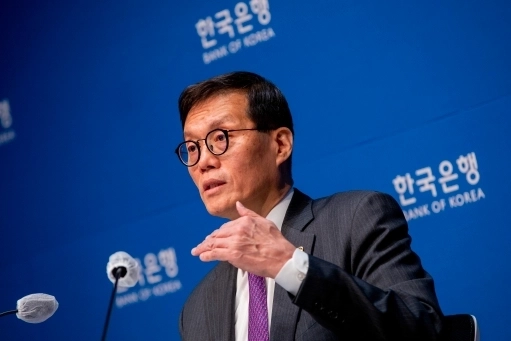
The Bank of Korea (BOK) reiterated its policy of allowing won-denominated stablecoins in phases, centered on the banking sector.
In a briefing to the National Assembly’s Strategy and Finance Committee on the 23rd, the BOK said it would pursue innovation while responding in a way that minimizes risks by comprehensively considering the impact on monetary and FX policy and the broader macroeconomy.
The BOK said it will push ahead in the first half of the year with a pilot project for executing treasury funds using a digital currency system, and based on that, build the groundwork for the commercialization of deposit tokens. It plans to expand the scope to subsidies and vouchers, among others, to increase real-transaction cases under a blockchain-based treasury fund management framework.
On who should issue won stablecoins, the BOK maintained its existing stance that a bank-led consortium structure is desirable. It cited concerns that nonbank-led issuance could trigger side effects such as conflicts of interest between industrial and financial capital, clashes with the principle of separation between industry and finance, and potential circumvention of FX regulations. Accordingly, it stressed the need for institutional safeguards, including the creation of a statutory policy body among relevant agencies.
The BOK also called for stronger internal control requirements in connection with recent IT incidents at domestic exchanges. Its view is that exchanges should have dual-verification procedures and IT control systems that can detect and block problems in advance even when human error occurs. The BOK said that, from a risk-management perspective, it is appropriate to verify safety under a bank-led framework first and then gradually broaden participation.

Suehyeon Lee
shlee@bloomingbit.ioI'm reporter Suehyeon Lee, your Web3 Moderator.