U.S.-Iran third round of talks ends… “Significant progress; follow-up discussions in Vienna next week”
Summary
- The U.S. and Iran said “significant progress” was made in the third round of nuclear talks held in Geneva.
- The two sides said they are reviewing the elements of an agreement across all areas, including the nuclear issue and sanctions, and that on some issues they are very close to an understanding.
- Iran proposed a temporary freeze on uranium enrichment and shared economic benefits, while the U.S. was said to have demanded the dismantlement of nuclear facilities and the handover of enriched uranium.
Forecast Trend Report by Period


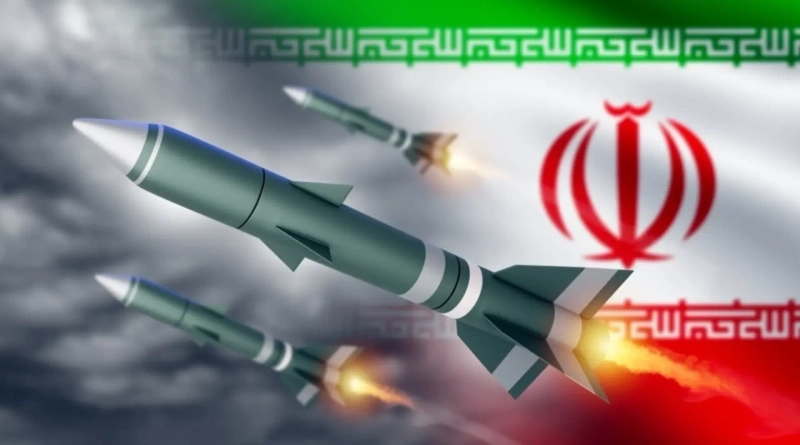
The third round of nuclear talks between the United States and Iran, resumed in Geneva, Switzerland, has concluded, Omani Foreign Minister Badr Albusaidi said on the 26th (local time).
In a post on X (formerly Twitter) that afternoon, Albusaidi said the schedule of talks had wrapped up, adding that “significant progress was made.”
He said the U.S. and Iran agreed to continue negotiations, and that after both delegations consult with their respective governments, they will resume “technical-level discussions” in Vienna, Austria, next week.
He added, “I am grateful for the efforts of all those involved, including the negotiating teams, the International Atomic Energy Agency (IAEA), and the Swiss government as host.”
According to Iran’s IRNA, Iranian Foreign Minister Abbas Araghchi told reporters after the talks that they lasted “about four hours in the morning and about two hours in the afternoon,” calling them “serious and lengthy negotiations.”
He said, “We have begun to seriously review the elements of an agreement across all areas, including the nuclear issue and sanctions,” adding that “on some issues we are very close to an understanding.”
He continued, “Of course it is natural to have differences in views, but compared with before, both sides have become more serious about finding solutions through negotiations,” emphasizing that “there was good progress.”
Araghchi said, “Starting next Monday (March 2), Austria and the IAEA will begin a review aligned with the demands of both countries,” adding that “the talks will likely be held again within a week.”
Vienna, which was named as the venue for the follow-up talks, hosts the IAEA headquarters.
Earlier, Iran said IAEA Director General Rafael Grossi participated in the talks in person. On the U.S. side, Steve Witkoff, President Donald Trump’s Middle East envoy, and Trump’s eldest son-in-law Jared Kushner took part, while Araghchi attended as Iran’s lead representative.
As in the first and second rounds, the negotiations were conducted indirectly, with Albusaidi shuttling between the two sides to relay proposals.
Al Jazeera, citing a senior Iranian official, reported that Iran proposed a “temporary freeze” on uranium enrichment to the United States. The official said the proposal also included lowering the enrichment level of uranium stockpiles under IAEA supervision and achieving shared benefits on the economic front.
However, the official stressed that “there was absolutely no mention of missile systems or defense industry programs,” adding that Iran “categorically rejects” any permanent halt to enrichment, dismantlement of nuclear facilities, or transfer of uranium stockpiles.
By contrast, the Wall Street Journal (WSJ) reported that the United States came to the talks with hardline demands that Iran dismantle all three nuclear facilities—Fordow, Natanz, and Isfahan—and hand over all remaining enriched uranium to the U.S.
By Ko Jeong-sam, Hankyung.com reporter jsk@hankyung.com

Korea Economic Daily
hankyung@bloomingbit.ioThe Korea Economic Daily Global is a digital media where latest news on Korean companies, industries, and financial markets.