"US unhappy that Israel’s bombing of Iranian oil storage facilities will ‘drive up crude prices’"
Summary
- Israel’s airstrikes on Iranian oil storage facilities raised concerns that they could lead to higher oil prices and add to the burden on the Trump administration, the report said.
- The US administration signaled it is unhappy, saying footage of massive storage fires brings to mind rising energy prices and higher gasoline prices.
- Iran warned that if Middle East fuel and energy infrastructure becomes a target of retaliatory strikes, oil prices could surge to $200 a barrel, the report said.
Forecast Trend Report by Period


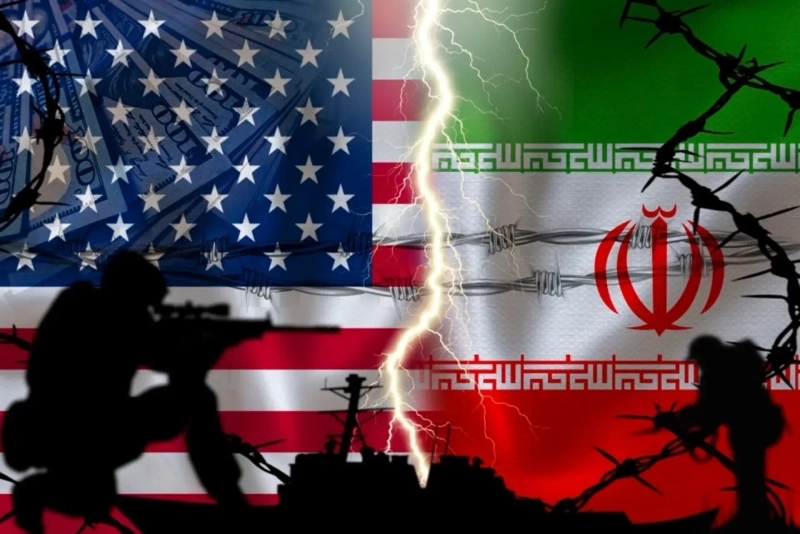
The US administration has voiced displeasure over Israel’s indiscriminate airstrikes on some 30 oil storage facilities inside Iran, US online outlet Axios reported on the 8th (local time).
While Washington had received prior notice from Israel that it would strike the sites, officials were concerned that a large-scale attack on oil infrastructure would be seen negatively as pushing up oil prices—and could ultimately become a burden for the Donald Trump administration.
According to an Israeli government official, after the strikes on Iranian oil storage sites that began the previous evening, the US sent Israel a message saying, “What the hell is this?” (WTF).
A senior US administration official also said of the attack, “I don’t think it was a good idea.” Another US government official said the US military was very surprised once it learned how extensive the attack was.
The Israel Defense Forces (IDF) argued in a statement after the attack that the storage facilities supplied fuel to a range of consumers, including Iran’s military, defending the legitimacy of the strikes. However, the US view was reportedly somewhat different.
The thinking was that footage of massive storage tanks burning and billowing black smoke could unsettle the oil market and stoke a rise in energy prices.
One adviser to President Trump told Axios, “President Trump does not like this attack.”
The adviser said Trump wants to stockpile oil, not burn it, adding that “it makes people think of higher gasoline prices,” underscoring the discomfort.
After the attack, Iran warned that if Israel continues similar actions, it will retaliate with comparable strikes across the Middle East.
A spokesperson for the Khatam al-Anbiya Central Headquarters, which oversees Iran’s military operations, said Iran has so far not targeted regional fuel and energy infrastructure, but threatened that if Iran were to do so, oil prices would spike to $200 a barrel.
Axios described the incident as the first publicly surfaced case of disagreements between the two countries since the Iran war, and said discussions on what the US expects from the war and on this matter are likely to take place at senior-level bilateral talks.
Ko Jeong-sam, Hankyung.com reporter jsk@hankyung.com

Korea Economic Daily
hankyung@bloomingbit.ioThe Korea Economic Daily Global is a digital media where latest news on Korean companies, industries, and financial markets.