As the Middle East war drags on… government, refiners expand imports of U.S. crude
Summary
- As concerns grow over potential gaps in crude supply due to the prolonged Middle East war, the government and refiners said they are moving to expand imports of U.S. crude.
- They said the share of U.S. crude in South Korea’s crude imports rose from 0.21% in 2016 to 16.3% last year and is expected to increase further.
- The government and industry said they see the impact of the Middle East war potentially extending beyond June and are concentrating on securing alternative energy volumes.
Forecast Trend Report by Period


Government goes all-out to secure crude
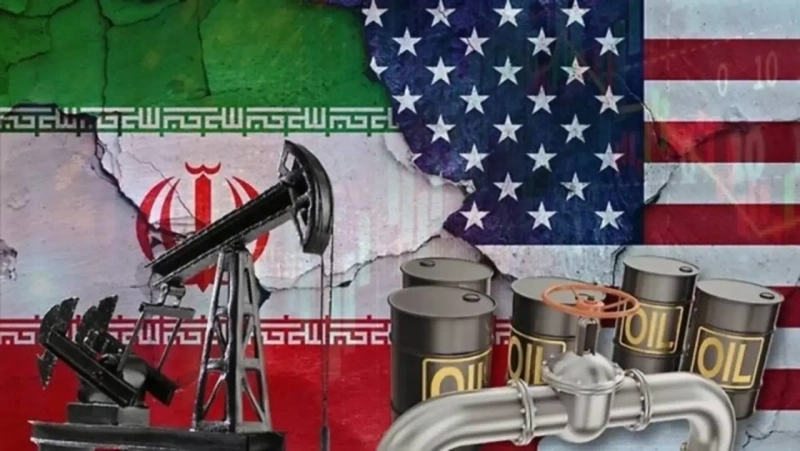
With the Middle East war dragging on and concerns rising over potential gaps in crude supply and demand, it was confirmed on the 2nd that the government and the refining industry are expanding imports of U.S. crude.
An official from the trade authorities said that day, “As imports of Middle East crude face disruptions, all four major domestic refiners are scrambling on all fronts to secure volumes from around the world,” adding, “U.S. crude accounts for the largest share of the alternative volumes.”
The official added, “The share of U.S. crude in Korea’s crude imports has been substantial, and we expect it to increase further going forward.”
South Korea has historically been structurally dependent on crude imports from the Middle East, but in recent years has been gradually lowering that share as it pursues import diversification. In fact, the share of Middle East crude, which stood at 86% by import volume a decade ago in 2016, fell to 69.6% last year.
Filling the gap left by Middle Eastern crude has been U.S. crude. The share of U.S. crude in Korea’s crude imports was just 0.21% in 2016, but rose to 5.3% in 2018, then 12.4% in 2019, 13.5% in 2023, 15.7% in 2024, and expanded further to 16.3% last year.
In the refining industry, GS Caltex and HD Hyundai Oilbank are said to be moving actively to secure U.S. crude. SK Energy is also reportedly pursuing U.S. sourcing in response to the Middle East crisis.
The government also unveiled plans to expand imports of U.S. energy during tariff and trade negotiations with the United States under the second Trump administration. As President Trump—who has a strong sense of urgency about the U.S. trade deficit—pointed to trade imbalances and threatened tariffs even against South Korea, which runs a large surplus in trade with the U.S., the idea was to move toward balancing the trade account by increasing imports of U.S. energy.
In particular, speculation is emerging that pressure on South Korea to bring in more U.S. supplies could intensify after President Trump, in a White House address that day, proposed to countries dependent on Middle East crude and gas imports via the Strait of Hormuz: “Buy oil from the United States.”
At present, the government and industry are focusing efforts on securing alternative volumes of crude, natural gas and naphtha through commercial attachés at overseas missions, Korea Trade-Investment Promotion Agency (KOTRA) trade offices, and overseas branches.
A trade official said, “Even without President Trump’s remarks, the government and industry believe the impact on the energy sector from the Middle East war could extend beyond June and are preparing accordingly,” adding, “Together with industry, we are working to secure a range of alternative energy volumes, including imports from the United States.”
Park Su-rim, Hankyung.com reporter paksr365@hankyung.com

Korea Economic Daily
hankyung@bloomingbit.ioThe Korea Economic Daily Global is a digital media where latest news on Korean companies, industries, and financial markets.