Trump Threat to Destroy Iran Bridges, Power Plants Draws War-Crimes Warning
Summary
- President Donald Trump set a firm deadline for a deal with Iran and said the U.S. would attack Iran's core infrastructure if no agreement is reached in time.
- The report said some critics argue that bombing civilian infrastructure such as power plants and bridges could constitute a war crime under international law.
- Politico reported that the U.S. Defense Department is adding "dual-use" sites, including energy facilities in Iran, to its target list.
Forecast Trend Report by Period


"If No Deal Is Reached, Everything Will Be Destroyed" — Trump Remarks Spark War-Crimes Debate
International Law Bars Attacks on Power Plants and Other Civilian Infrastructure
Trump Says "The Real War Crime" Would Be Letting Iran Have Nuclear Arms
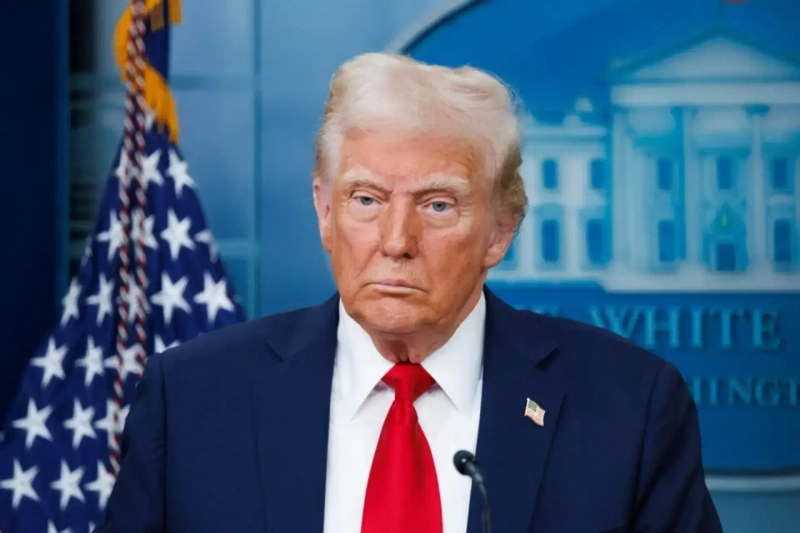
President Donald Trump has stepped up pressure on Iran to reach an agreement, saying he will not extend a negotiation deadline of 8 p.m. Eastern Time on April 7, or 9 a.m. in South Korea on April 8.
Reuters reported on April 7 that, at a White House Easter event, Trump was asked whether 8 p.m. on April 7 was the final deadline. "Yes," he replied. He then said that if Iran did not surrender, "all bridges" would be destroyed by midnight on April 7 and "all of Iran's power plants" would be blown up and made unusable. "If we want, it will be completely destroyed by midnight," he said. Trump also repeated his warning that Iran could be wiped out "overnight."
The remarks signaled that if no agreement is reached by the deadline, the U.S. would immediately move to strike Iran's core infrastructure and inflict devastating damage within four hours of the start of the attacks.
Some critics say bombing major civilian infrastructure such as power plants and bridges could amount to a war crime under international law. The Geneva Conventions prohibit deliberate attacks on infrastructure essential to civilians' survival, including electricity facilities and water supplies. The New York Times, citing experts, reported that indiscriminate attacks targeting civilian infrastructure such as power grids and bridges are banned under international law and could be considered war crimes.
Trump rejected that argument. "It's not a war crime at all," he said. "The real war crime is allowing Iran to have nuclear weapons."
Politico reported that the U.S. Defense Department is adding "dual-use" facilities, including energy sites in Iran, to its target list. The Geneva Conventions give militaries discretion over attacks on facilities serving both civilian and military purposes. Still, some argue that dual-use facilities refer to civilian-built infrastructure converted for military use, and that use by both the military and civilians alone does not automatically make such sites lawful targets.
Joo-wan Kim, Hankyung.com reporter, kjwan@hankyung.com

Korea Economic Daily
hankyung@bloomingbit.ioThe Korea Economic Daily Global is a digital media where latest news on Korean companies, industries, and financial markets.