PiCK
Pakistan Proposes Two-Week Truce as Trump Nears Iran Deadline, White House Says Response Is Coming
Summary
- Pakistan’s call for a two-week ceasefire left stocks mixed and oil prices fluctuating modestly before markets closed with some relief.
- Trump’s ultimatum of bombing Iran, along with the US and Israel’s strike posture, heightened Middle East geopolitical risk.
- Iran is “positively considering” the two-week ceasefire proposal, raising the prospect of bigger swings in stocks and oil prices depending on how negotiations progress.
Forecast Trend Report by Period


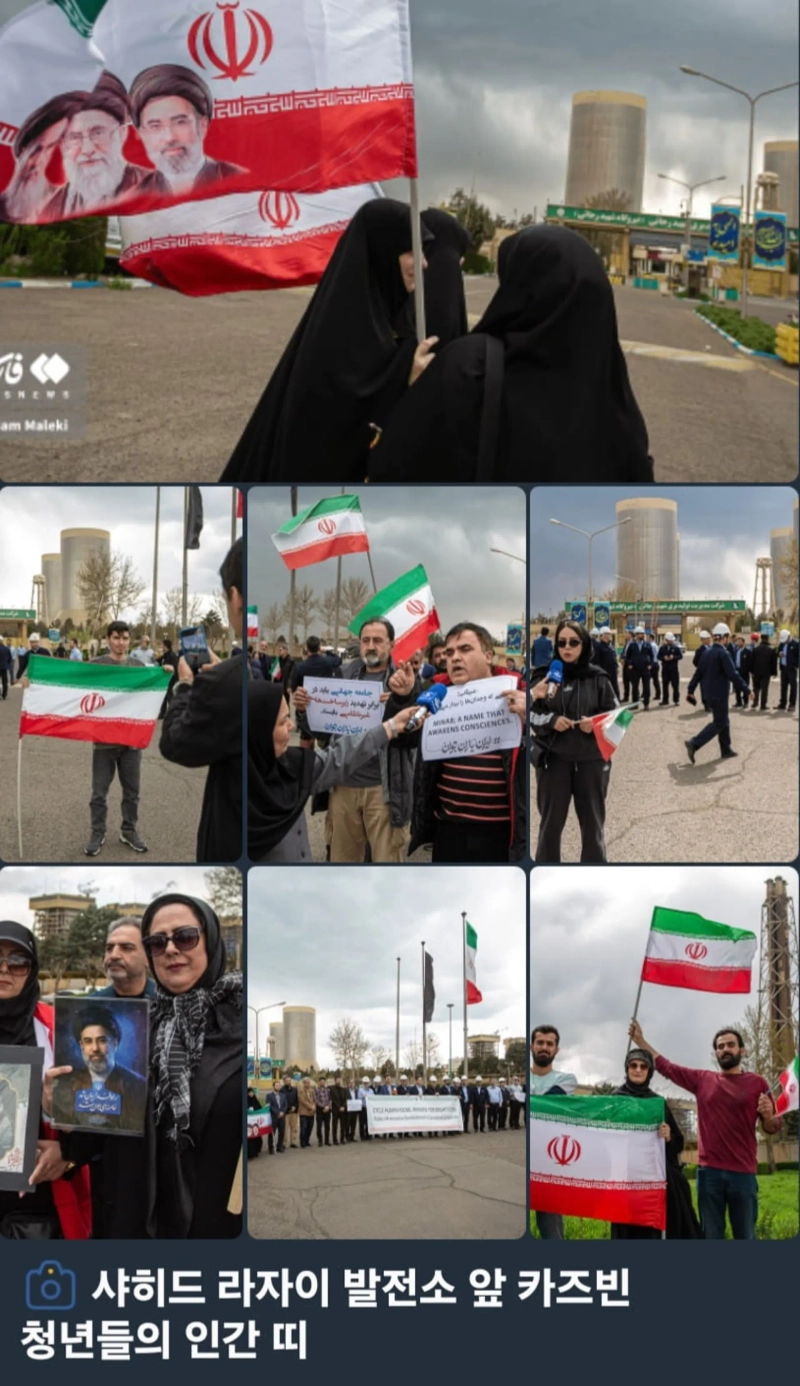
Iran Forms ‘Human Chains’ Around Sites as Trump Warns a ‘Civilization’ Could Vanish
The deadline in President Donald Trump’s ultimatum to Iran was approaching. Trump had warned that if no agreement was reached by 8 p.m. Korea time on Aug. 7, he would launch large-scale strikes on Iranian power plants, bridges and other infrastructure. In a Truth Social post that day, he wrote that “an entire civilization will disappear tonight and never return.” Pakistan, which is mediating, called for a two-week ceasefire by all sides.
Markets swung throughout the day as headlines emerged. Stocks fell and oil climbed before Pakistan’s truce proposal was reported. Markets later pared those moves after news that the proposal was under review. The S&P 500 rose 0.08% to 6,616.85, while the Nasdaq Composite added 0.1%. The Dow Jones Industrial Average fell 0.18%. West Texas Intermediate crude for May delivery settled up 0.48% at $112 a barrel, while Brent crude for June delivery ended down 0.46% at $109.27.
Washington remained on edge through the afternoon. Politico described the mood as “walking on a razor’s edge” and “apocalyptic.” There was a sense in the capital that Trump could still decide to launch a large-scale air assault on Iran.
In his morning Truth Social post, Trump raised the prospect of a civilization’s destruction. “I do not want that to happen, but it probably will,” he wrote, calling the moment “one of the most important moments in the long and complicated history of the world.” He also wrote that “47 years of extortion, corruption and death” since the 1979 Islamic Revolution would finally end, adding, “God bless the great people of Iran!”
Deliberately targeting civilians and civilian infrastructure is a war crime. Many people, including leaders of major countries, have said so, but the Trump administration has shown little sign of concern. Congress has not moved aggressively to stop it, either. Some Republican lawmakers have voiced opposition, but the Senate Republican account on X wrote that “Iran would be wise to take President Trump at his word.” Iran’s Fars News Agency and other outlets reported that people were forming “human chains” around key infrastructure, including power plants identified as possible targets.
Pakistan, acting as a mediator, asked for the deadline to be extended by two weeks. Prime Minister Shehbaz Sharif urged all parties in a post on X to observe a two-week ceasefire to allow negotiations. White House Press Secretary Karoline Leavitt said Trump was reviewing the proposal and would announce his position soon.
“The only person who knows the current situation and the president’s next steps is the president himself,” Leavitt said.
Israel had already begun attacking Iran that day. It started strikes on Kharg Island in the morning and was also bombing railways, train stations, airports and bridges. Vice President JD Vance, who is visiting Hungary, made comments suggesting the operation had US approval.
The New York Times, citing senior Iranian officials, reported that Tehran had abruptly suspended direct talks with the US. Negotiations through mediating countries such as Pakistan appear set to continue. Iran’s main interlocutors are believed to be President Masoud Pezeshkian and Foreign Minister Abbas Araghchi.
Iran does not appear likely to reverse course suddenly and fully accept US demands. The Islamic Revolutionary Guard Corps has maintained that Iran holds the upper hand as long as the Strait of Hormuz remains blocked, and that the US cannot be trusted even if a ceasefire is reached. In that view, a ceasefire would only give Washington time to produce more missiles and prepare further attacks.
Still, unlike a 45-day ceasefire proposal that Iran had previously said it “firmly rejects,” Reuters reported that Tehran is “positively considering” the two-week plan. If both sides respond favorably, the crisis may avoid a more extreme escalation for now and remain in a negotiating phase.
Lee Sang-eun, Washington correspondent

Korea Economic Daily
hankyung@bloomingbit.ioThe Korea Economic Daily Global is a digital media where latest news on Korean companies, industries, and financial markets.