Trump Weighs Moving US Troops From ‘Uncooperative’ NATO Allies, Raising Questions for South Korea and Japan
Summary
- The Trump administration is considering redeploying US troops stationed in NATO member states based on whether those allies cooperated.
- If implemented, the move could affect about 84,000 US troops in Europe, while widening alliance fractures and hurting host-country economies.
- If such retaliatory measures against NATO were extended to South Korea and Japan, they could bring trade and security disadvantages and even a kind of political “bill.”
Forecast Trend Report by Period


WSJ says move would punish allies that did not support a Hormuz deployment
About 84,000 US troops in Europe could be affected
South Korea seen at risk of trade and security fallout
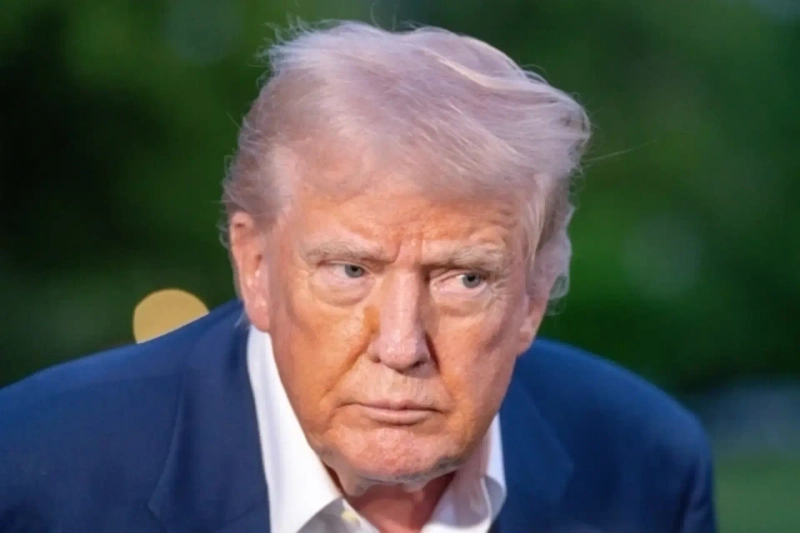
The Trump administration is considering moving US troops out of NATO member states it views as having failed to cooperate in a war with Iran and redeploying them to allies that offered more support. If implemented, the move could deepen cracks in the trans-Atlantic alliance that has long underpinned US ties with Europe.
The proposal is also drawing attention in South Korea over whether it could affect the deployment of US forces there. President Donald Trump has publicly complained about what he sees as a lack of cooperation not only from NATO allies but also from South Korea and Japan. If the plan moves ahead, retaliatory measures could extend beyond troop deployments to trade and security issues.
The Wall Street Journal reported on July 8 that Trump is weighing ways to penalize some NATO members he believes did not provide enough help in a war with Iran. The plan would remove US forces from countries the administration sees as unhelpful and shift them to nations that were more supportive of the war effort.
The Journal, citing administration officials, said the proposal is one of several options under discussion as the administration considers penalties for NATO allies. While still at an early stage, it has circulated among senior officials in recent weeks and won backing, the report said.
About 84,000 US troops are stationed across Europe, although that number changes with military exercises and rotational deployments. The Journal said US bases in Europe are critical hubs for American operations worldwide and also provide major economic benefits to host countries.
US forces in Eastern Europe also serve as a deterrent against Russia. In addition to troop redeployments, the administration is considering closing at least one US base in Europe, the report said.
Bases in Spain or Germany could be among those considered for closure. Spain is the only NATO member that has not pledged to raise defense spending to 5% of gross domestic product. It also angered Trump by refusing to allow US military aircraft involved in operations against Iran to use its airspace.
Germany has also drawn the administration’s ire, according to the report. Senior German officials publicly criticized Trump’s war with Iran, saying it was “not our war.”
Countries that quickly backed the creation of an international coalition to monitor the Strait of Hormuz could benefit instead. Poland, Romania, Lithuania and Greece are among them, the Journal said.
Trump may also have raised the issue with NATO Secretary General Mark Rutte during his White House visit that day. White House Press Secretary Karoline Leavitt said NATO had turned its back on the American people during the war with Iran.
The concern is that retaliatory steps aimed at NATO allies, including troop redeployments, could eventually extend to South Korea and Japan. Even if they do not involve changes to the US Forces Korea presence, Trump could tie Seoul’s failure to immediately respond to calls for a Hormuz deployment to broader trade and security negotiations and seek concessions. The Journal report did not mention South Korea or Japan.
Trump reportedly became furious in mid-June after asking countries to send warships to the Strait of Hormuz and receiving refusals or cautious responses. He later repeatedly voiced his dissatisfaction in public, naming NATO members as well as South Korea, Japan and Australia.
He has also recently discussed withdrawing from NATO with aides, according to the report. Leaving the alliance would require congressional approval and a two-thirds vote in the Senate. Secretary of State Marco Rubio, a close Trump ally, strongly supported legislation as a senator that made a NATO withdrawal harder.
Park Su-bin, Hankyung.com reporter waterbean@hankyung.com

Korea Economic Daily
hankyung@bloomingbit.ioThe Korea Economic Daily Global is a digital media where latest news on Korean companies, industries, and financial markets.