Ceasefire Lifts Kospi, but Prolonged Energy Price Surge Remains a Market Risk
Summary
- Brokerages said prolonged energy price gains could act as a market variable and weigh on corporate profitability.
- Even if the Strait of Hormuz reopens, it will take at least three to four months for the global energy supply chain and oil output recovery to normalize.
- Coke, briquettes and refined petroleum products, along with autos, primary metals, electrical equipment and chemical products, have high raw-material cost exposure, raising the risk of weaker profitability and softer demand.
Forecast Trend Report by Period


“A full agreement on Strait of Hormuz transit is still needed”
“Raw-material exposure is highest for refined petroleum products, autos, metals, electrical equipment and chemicals”
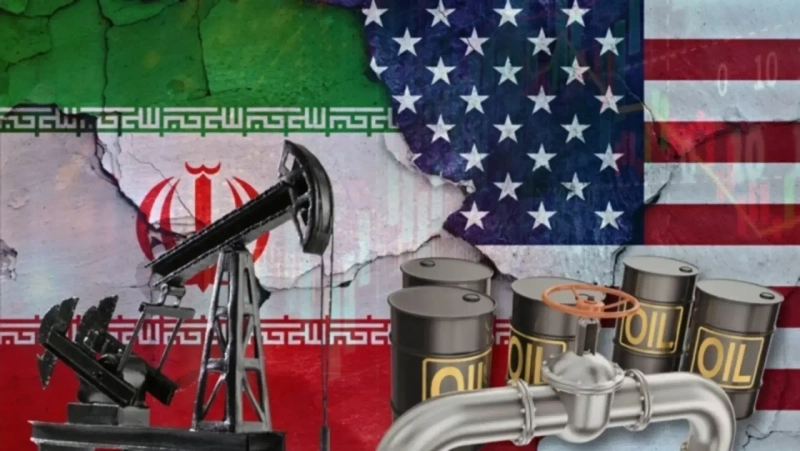
A two-week ceasefire between the U.S. and Iran has improved sentiment toward South Korean stocks, but local brokerages say a prolonged rise in energy prices could remain a key market variable for now. Higher input costs could squeeze profitability and curb underlying demand, weighing on companies over the longer term.
On June 9, Brent crude for June delivery settled at $94.75 a barrel on ICE Futures Europe in London, down $14.52, or 13.29%, from the previous session. West Texas Intermediate for May delivery closed at $94.41 a barrel on the New York Mercantile Exchange, down $18.54, or 16.41%. The declines reflected expectations that the Strait of Hormuz would reopen after the U.S. and Iran agreed to a two-week ceasefire.
A full agreement on transit through the Strait of Hormuz, however, remains unresolved.
Washington and Tehran are already at odds over whether the waterway will fully reopen. President Donald Trump has presented a “complete, immediate and safe reopening” as a precondition for the ceasefire. Iran, by contrast, has said passage through the strait would remain under the control of Iranian forces.
Iran’s state-run Press TV reported the previous day that the tanker Aurora, which had been headed toward the outlet of the Strait of Hormuz, abruptly changed course near the Musandam coast and made a 180-degree turn. Tasnim, Iran’s semi-official news agency, also reported that Iran was considering closing the strait again after Israel attacked Hezbollah in Lebanon, saying the move would violate the ceasefire terms.
Lee Eun-taek, an analyst at KB Securities, said a temporary agreement could end up becoming the final deal, as in past U.S.-China tariff negotiations. That would be preferable to Trump trying to argue that the current arrangement is only temporary and that he could seize Iranian oil in a follow-up agreement or win concessions through renewed attacks, Lee added.
Brokerages also expect global energy supplies to take time to normalize even if the Strait of Hormuz reopens under the ceasefire.
Kim Seok-hwan, an analyst at Mirae Asset Securities, said it would take at least three to four months to fully restore roughly 10 million barrels a day of production. He cited technical factors including pressure controls at oil fields that had halted operations and renewed checks on cryogenic processes at LNG liquefaction facilities.
Hwang Byung-jin, an analyst at NH Investment & Securities, said crude production would still need time to recover to prewar levels even if the strait reopens. He projected the global oil market would face a supply shortfall of 290,000 barrels a day this year before shifting back to a surplus next year.
If oil prices remain volatile, companies could face sustained pressure from higher costs.
Kim Sang-man, an analyst at Hana Securities, said raw-material costs account for a relatively large share of expenses for coke, briquettes and refined petroleum products, followed by autos, primary metals, electrical equipment, food and beverages, and chemicals, leaving those industries more exposed to the current situation. Aside from petrochemicals and airlines, the fallout would most likely come indirectly through lower profitability and softer potential demand.
Noh Jeong-dong, Hankyung.com reporter dong2@hankyung.com

Korea Economic Daily
hankyung@bloomingbit.ioThe Korea Economic Daily Global is a digital media where latest news on Korean companies, industries, and financial markets.