Iran Ceasefire Offers Relief, but US Inflation Pressures Are Set to Linger
Summary
- Even with a ceasefire with Iran, gasoline prices, mortgage rates and stock-market volatility are still weighing on consumption and fueling concerns about an economic slowdown.
- Although international oil prices have plunged, delays in supply-chain stabilization and in passing declines through to gas-station prices mean inflation pressure and inflation risk are likely to persist.
- A delay in rate cuts, along with pressure from mortgage rates, fertilizer prices and energy costs, means structural strains across energy, prices and interest rates are likely to continue for now.
Forecast Trend Report by Period


Supply chains may take one to two months to stabilize even after a ceasefire
Repairs to damaged oil infrastructure are also expected to be slow
Any drop in crude prices will take time to reach the pump
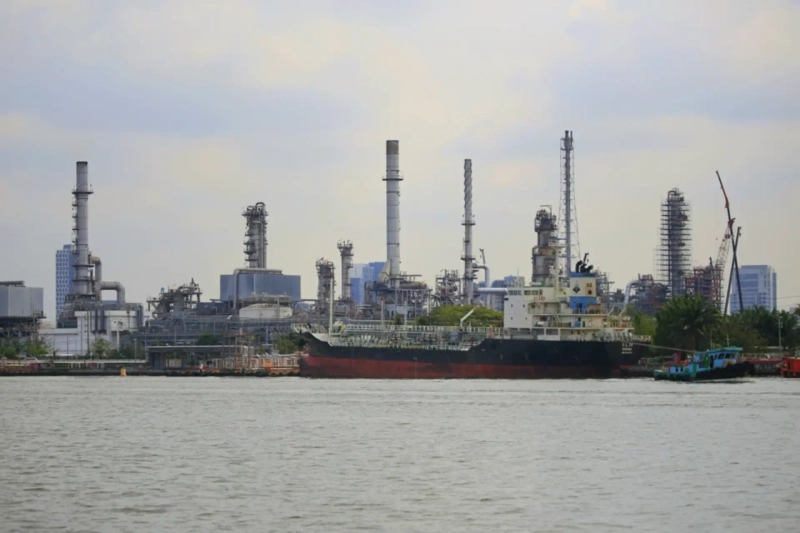
A ceasefire with Iran has offered temporary relief to the US economy, but pressure from oil prices and inflation is expected to persist for now.
The Wall Street Journal reported on July 8 that a recent war-driven surge in gasoline prices and mortgage rates had weighed heavily on consumers and businesses. Concerns about slower growth and a possible recession had also mounted as stock-market volatility eroded household wealth.
Market sentiment improved somewhat after news of the ceasefire. The S&P 500 rose 2.5%, while international oil prices fell 16% to about $94 a barrel. That has raised hopes that gasoline prices will ease.
Still, the economy will take time to normalize. Experts say the Strait of Hormuz must operate normally for at least one to two months before supply chains stabilize. Uncertainty remains high as shipping disruptions continue and repairs to damaged infrastructure are delayed.
Consumers are also unlikely to feel immediate relief even if crude prices decline. Since the war, the average US gasoline price has risen to $4.16 a gallon, while diesel has climbed to $5.67. Gas-station prices typically reflect changes in crude with a lag.
Inflation pressures also remain in place. Markets expect last month's consumer-price inflation rate to have jumped to 3.3%, largely because of higher energy prices. Even if the ceasefire holds, inflation may cool somewhat, but the war-driven risk of faster price gains is unlikely to disappear completely.
That means the Federal Reserve is unlikely to rush into interest-rate cuts. Supply-chain risks have eased, but elevated energy costs and a resilient labor market continue to keep inflation pressure alive.
The housing market also remains uncertain. The 30-year fixed mortgage rate rose to 6.46%, the highest since September last year. Lower Treasury yields have raised the possibility of some stabilization, but high home prices and job-market anxiety are likely to slow any recovery in demand.
Agriculture is also under pressure. Fertilizer prices have surged because of the war in the Middle East, leading some farmers to consider switching crops. Higher energy costs, including diesel, are also squeezing farm profitability and could eventually push food prices higher.
Markets view the ceasefire as a short-term stabilizing factor, but structural pressure across energy, inflation and interest rates is expected to persist for the time being.
Park Shin-young, New York correspondent, Hankyung.com nyusos@hankyung.com

Korea Economic Daily
hankyung@bloomingbit.ioThe Korea Economic Daily Global is a digital media where latest news on Korean companies, industries, and financial markets.