TRM Says Iran’s Bitcoin Toll Plan for Hormuz Could Complicate US Sanctions
Summary
- Blockchain analytics firm TRM said Iran’s plan to collect Strait of Hormuz transit fees in Bitcoin could complicate US sanctions enforcement.
- TRM said Iran’s Bitcoin toll plan is a significant example of cryptocurrency being used for state-level sanctions evasion.
- The Wall Street Journal reported that Iran is requiring tankers to pay transit fees in cryptocurrency or Chinese yuan, with tolls for very large crude carriers reaching as much as $2 million.
Forecast Trend Report by Period


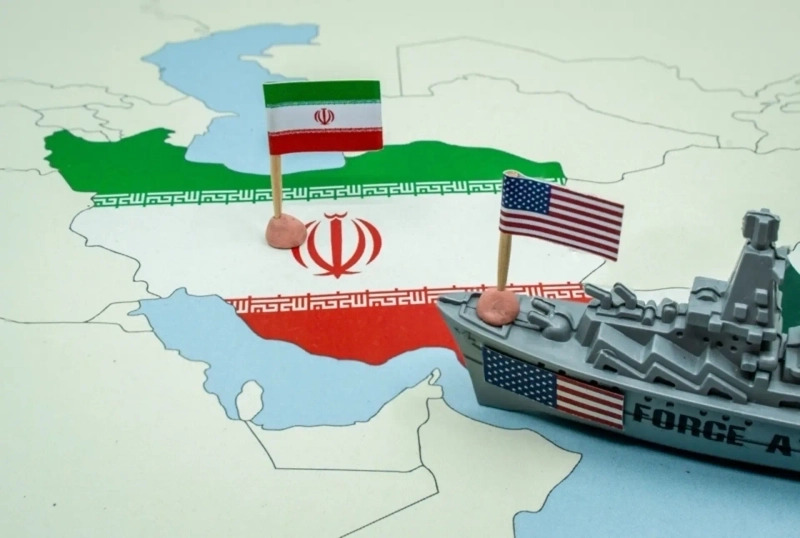
Iran’s plan to collect Strait of Hormuz transit fees in Bitcoin could make it harder for the US to enforce sanctions, according to a new analysis.
The Wall Street Journal reported on July 9 that blockchain analytics firm TRM wrote in a report that day that the speed of cryptocurrency transactions could complicate efforts by the US to freeze or block Iran’s toll payments in real time. TRM described the plan as a significant example of cryptocurrency being used for state-level sanctions evasion.
A day earlier, Hamid Hosseini, spokesperson for the Iranian Oil, Gas and Petrochemical Products Exporters’ Association, told the Financial Times that Iran plans to collect tolls in Bitcoin from all oil tankers passing through the Strait of Hormuz. Once Iran completes its screening, vessels will be given time to pay in Bitcoin within seconds. He said the arrangement is intended to prevent funds from being tracked or seized because of sanctions.
The Journal said Iran is requiring ships to pay transit fees in cryptocurrency or Chinese yuan. For very large crude carriers, the toll for passing through the Strait of Hormuz could reach as much as $2 million, the newspaper said.

JOON HYOUNG LEE
gilson@bloomingbit.ioCrypto Journalist based in Seoul