Wall Street Shifts From Geopolitics to Fundamentals as Ceasefire Hopes Push S&P 500 Above 7,000
Summary
- S&P 500 and the Nasdaq hit record highs on hopes for a ceasefire and strong earnings from listed companies.
- Resilient U.S. consumer spending and steady AI investment, along with strong first-quarter earnings from major banks, are helping revive investor sentiment.
- Global oil prices were little changed amid expectations for ceasefire talks, but the Fed Beige Book said the Middle East conflict remains a source of uncertainty that is delaying hiring and capital investment decisions.
Forecast Trend Report by Period


Stocks rise on strong earnings despite Middle East risks
AI spending and resilient consumers support the US economy
Oil holds steady as ceasefire optimism offsets supply concerns
Fed Beige Book says Iran war is delaying corporate decisions
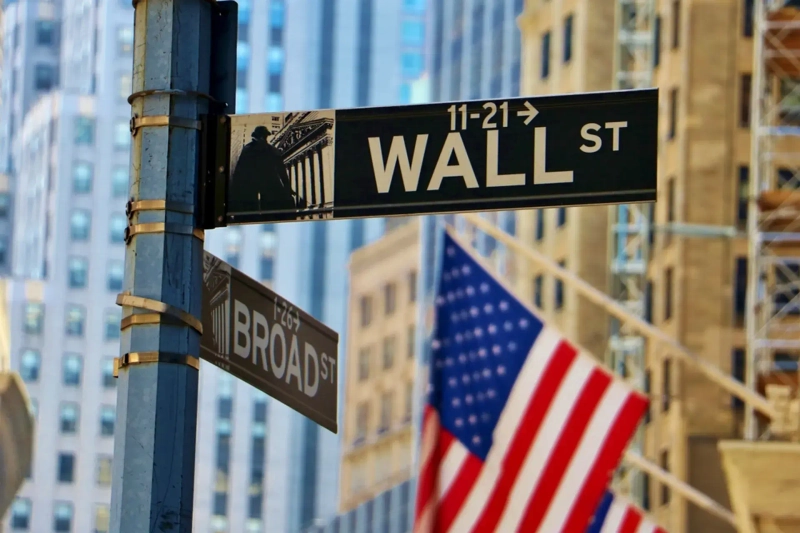
U.S. stocks closed at record highs on March 15 as reports that the Trump administration is continuing ceasefire talks with Iran lifted sentiment on Wall Street. The S&P 500 finished above 7,000 for the first time, helped by growing expectations for an end to the war and better-than-expected earnings from listed companies. Investors also appeared to be shifting their attention away from geopolitical risks centered on Iran and back to corporate fundamentals.
S&P 500, Nasdaq hit record highs
The S&P 500 rose 55.58 points, or 0.80%, to 7,022.95. It was the first time the benchmark had closed above 7,000. The tech-heavy Nasdaq Composite jumped 376.93 points, or 1.59%, to 24,016.02, reaching its highest level in six months and surpassing the previous record set on Oct. 29.
The rebound came despite uncertainty that has persisted since the Iran war began on Feb. 28. Hopes for a ceasefire and stronger corporate earnings helped drive a swift recovery in stocks.
President Donald Trump told Fox Business that the war with Iran would end "soon," reinforcing optimism that negotiations to halt the conflict are gaining traction.
Trump also said oil prices would fall sharply once the situation ends. At a White House briefing, Press Secretary Karoline Leavitt said the administration remains "very committed" to negotiations and talks, adding that the discussions have been productive and are continuing.
Reports that a second round of ceasefire talks between the U.S. and Iran is near acted as the trigger for the day's gains. As uncertainty tied to the war began to ease, pent-up risk appetite appeared to return all at once, giving stocks strong upward momentum.
The start of first-quarter earnings season also helped revive investor sentiment that had been damped by the war. Goldman Sachs, JPMorgan Chase and Citigroup had all reported results above expectations through the previous day. Morgan Stanley and Bank of America, which reported on March 15, also beat market estimates.
Scott Ladner, chief investment officer at Horizon Investments, said the U.S. economy and corporate earnings remain fundamentally strong. The market may be entering a more sustained upswing, he added.
Consumer spending, AI investment remain firm
Investor sentiment has also improved because U.S. consumption has remained resilient despite the Iran war. Bank of America said debit- and credit-card spending rose 4.3% in March, the biggest increase in three years. Spending at gas stations surged 16.5%. Excluding that category, spending still rose 3.6%, suggesting consumers are continuing to hold up.
Tax refunds are also supporting spending. The average refund this year was $3,521, up 11.1% from a year earlier.
Investment in artificial intelligence is also supporting the U.S. economy. Shares of semiconductor company Broadcom rose 4.19% on March 15 after news that it had signed a deal with Meta to expand production of AI chips, leading gains in technology stocks.
Oil prices were little changed as expectations for ceasefire talks offset supply concerns. Brent crude for June delivery settled at $94.93 a barrel on ICE Futures Europe, up 0.1% from the previous session. West Texas Intermediate for May delivery settled at $91.29 a barrel on the New York Mercantile Exchange, up just 1 cent.
Still, risks from the Iran war have not disappeared from the market. The Federal Reserve said uncertainty stemming from the U.S.-Iran war is making it harder for companies to make decisions on hiring and investment. In its March Beige Book, released on March 15, the Fed said the Middle East conflict was cited as a major source of uncertainty complicating decisions related to employment, pricing and capital investment, and that many companies were taking a wait-and-see approach.
Park Shin-young, New York correspondent, Korea Economic Daily nyusos@hankyung.com

Korea Economic Daily
hankyung@bloomingbit.ioThe Korea Economic Daily Global is a digital media where latest news on Korean companies, industries, and financial markets.