KB Says Samsung, SK Hynix Fairly Worth More Than $2.4 Trillion Combined
Summary
- KB Securities said a combined market capitalization of more than $2.4 trillion would be fair for Samsung Electronics and SK Hynix, adding that the current undervaluation is excessive.
- The brokerage said the two companies’ combined operating profit this year would reach 586 trillion won ($424.6 billion), about five times TSMC’s, while their combined market capitalization of 2,214 trillion won ($1.60 trillion) remains below TSMC’s.
- It said AI infrastructure, memory growth prospects, expanded LTAs, and a shift to a foundry-style business model would help reduce earnings volatility and support a valuation rerating.
Forecast Trend Report by Period


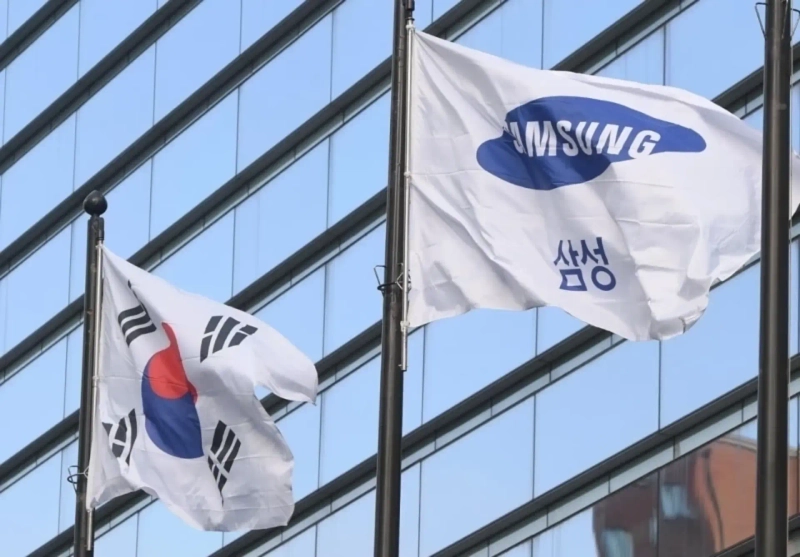
Samsung Electronics Co. and SK Hynix Inc. should be worth more than $2.4 trillion combined, KB Securities said, arguing that South Korea’s two biggest chipmakers are trading at an excessive discount.
The brokerage estimates the two companies will post combined operating profit of 586 trillion won ($424.6 billion) this year, about five times Taiwan Semiconductor Manufacturing Co.’s 129 trillion won. Yet their combined market capitalization stands at 2,214 trillion won ($1.60 trillion), far below TSMC’s 2,869 trillion won ($2.08 trillion), according to KB on June 17.
"Samsung Electronics and SK Hynix appear to be in a zone of excessive discounting," Kim Dong-won, head of research at KB Securities, said. Given the pace and scale of earnings improvement, fair market values would be more than 2,000 trillion won ($1.45 trillion) for Samsung and more than 1,300 trillion won ($941.5 billion) for SK Hynix, he added.
Their market values are likely to keep rising as memory, a strategic asset in the buildout of artificial intelligence infrastructure over the next five years, gains a clearer growth trajectory.
Kim said the companies are expanding long-term supply agreements with cloud and graphics processing unit makers. That points to a prolonged structural shortage in memory supply and an evolution toward a TSMC-style foundry business model based on order-driven production.
A shift to a foundry-style model in memory chips would ease earnings volatility and improve profit visibility at the same time, Kim said. Greater stability in the earnings structure would also support higher valuations.
Go Jeong-sam, Hankyung.com reporter jsk@hankyung.com

Korea Economic Daily
hankyung@bloomingbit.ioThe Korea Economic Daily Global is a digital media where latest news on Korean companies, industries, and financial markets.