PiCK
Iran Says U.S. Excessive Demands Sank Talks, Deepens Russia Coordination
Summary
- Iran said the collapse of negotiations with the U.S. was caused by Washington's excessive demands and flawed strategy.
- After a second round of talks with the U.S. fell through, Iran moved to coordinate its response through high-level consultations with Russia and a planned meeting with President Vladimir Putin.
- Iran was reported to have sent the U.S. a new proposal calling for the reopening of the Strait of Hormuz, an end to the war, and for nuclear talks to be postponed until later.
Forecast Trend Report by Period


Iranian Foreign Minister Abbas Araghchi blamed Washington for the breakdown in talks with the U.S. and signaled Tehran would coordinate its next steps through high-level consultations with Russia after a planned second round of meetings with American officials collapsed.
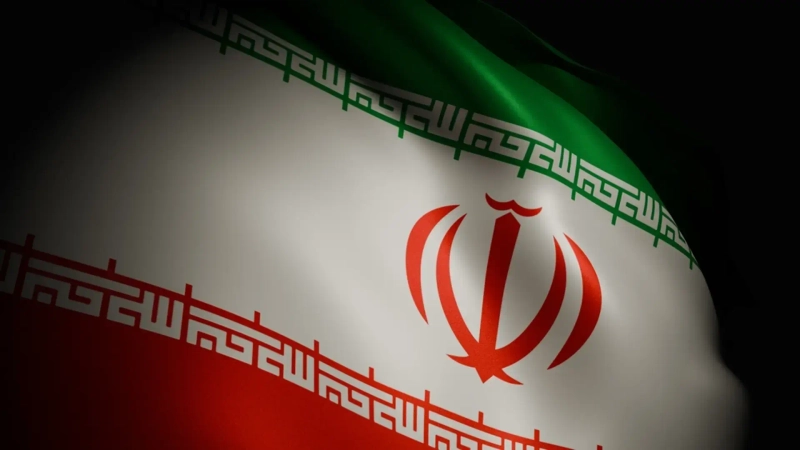
Araghchi arrived at Pulkovo Airport in St. Petersburg on the morning of April 27, IRNA reported. He said there had been progress in the negotiations, but the talks failed to achieve their goals because of the U.S. approach, excessive demands and what he called a flawed strategy.
He also said Iran needed consultations with Pakistan to review recent developments. Araghchi had visited Islamabad and Oman in succession starting April 25. In Islamabad, he met Pakistan Army Chief Asim Munir, who has played a mediating role, along with Prime Minister Shehbaz Sharif and Foreign Minister Ishaq Dar.
Araghchi said his trip to Russia was aimed at close consultations on regional and international issues and at strengthening bilateral ties. He added that the visit would also be a chance to review what he described as the war involving the U.S. and Israel against Iran, and said coordination between the two countries would be crucial.
Kazem Jalali, Iran's ambassador to Russia, and Russian officials welcomed Araghchi at Pulkovo Airport. Jalali told IRNA that Araghchi is set to meet Russian President Vladimir Putin in St. Petersburg. Their talks will focus on developments since what Iran has described as a war of aggression by the U.S. and Israel.
The Russia trip came after a second round of talks with the U.S., expected to be held in Islamabad, failed to take place. After Iranian state television reported that Araghchi had no plans to meet U.S. administration officials in Islamabad, President Donald Trump canceled plans for White House special envoy Steve Witkoff and his son-in-law Jared Kushner to visit the Pakistani capital.
In a Fox News interview on April 26, Trump said that if Iran wanted talks, "they can come to us or call us." Iran sent the U.S. a written message through Pakistan, the mediating country, setting out red lines on the nuclear issue and the Strait of Hormuz, Fars News Agency reported. It added that the message was not part of formal negotiations.
Axios, citing U.S. officials and people familiar with the matter, reported that Iran had sent a new proposal calling for the reopening of the Strait of Hormuz and an end to the war, while postponing nuclear talks until later. IRNA did not deny the report.
Oh Se-seong, Hankyung.com reporter sesung@hankyung.com

Korea Economic Daily
hankyung@bloomingbit.ioThe Korea Economic Daily Global is a digital media where latest news on Korean companies, industries, and financial markets.