Oil Faces Fresh Upside Pressure as US-Iran Talks Stall, Hormuz Risk Looms
Summary
- Global oil prices are facing renewed upward pressure as the US-Iran negotiating deadlock deepens uncertainty in energy markets.
- Goldman Sachs said international oil prices could rise above $110 a barrel if the Strait of Hormuz is blocked.
- Uncertainty over the negotiations and concerns about supply disruptions are raising the prospect of greater Brent crude volatility, with further shifts in the US and Iran's positions and developments in the Strait of Hormuz seen as the key drivers of short-term oil prices.
Forecast Trend Report by Period


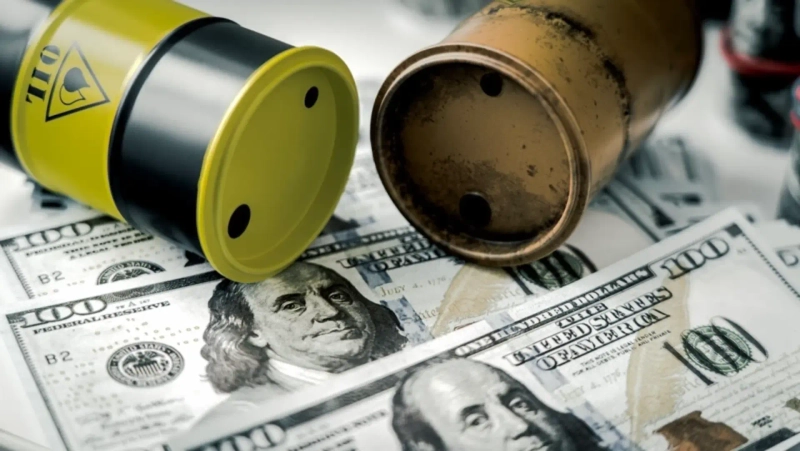
Global oil prices are facing renewed upward pressure as stalled US-Iran negotiations deepen uncertainty in energy markets.
SFC Today, a cryptocurrency-focused media outlet, reported on April 27 that the US and Iran recently held a third round of talks in Oman over a 30-day period but failed to reach an agreement. With progress in the negotiations delayed, markets have adopted a wait-and-see stance.
Geopolitical risks surrounding the Strait of Hormuz are also back in focus. The waterway is only about 33 kilometers (21 miles) wide at its narrowest point, but about 21 million barrels of crude pass through it each day, accounting for roughly 20% of global consumption. Iran has previously mentioned the possibility of closing the strait if tensions escalate.
Goldman Sachs projects that international oil prices could rise above $110 a barrel within 72 hours if the strait were completely blocked.
Concerns are also growing over the burden on countries heavily dependent on imports. India imports about 23.2 million tons of crude a year and spends roughly $144 billion on those purchases. An increase of $10 a barrel in oil prices would lift its annual import costs by about $9 billion.
Brent crude recently traded at about $87.4 a barrel, down roughly 2.3% from a week earlier. Still, uncertainty over the negotiations and worries about supply disruptions are raising the prospect of greater volatility ahead.
Market participants are watching for any further shifts in the positions of the US and Iran, as well as developments in the Strait of Hormuz, as the key drivers of short-term oil prices.

Minseung Kang
minriver@bloomingbit.ioBlockchain journalist | Writer of Trade Now & Altcoin Now, must-read content for investors.