Spirit Airlines Heads for Liquidation After Trump’s $500 Million Bailout Fails
Summary
- Spirit Airlines failed to secure a government bailout, triggering a full flight suspension and the start of liquidation.
- After the Iran war began, a surge in jet fuel prices added $10 million to $15 million in weekly costs, wrecking the airline’s plan to exit bankruptcy.
- The proposed $500 million bailout collapsed amid political opposition and resistance from creditors and rival airlines, leaving an orderly liquidation through aircraft sales as the only option.
Forecast Trend Report by Period


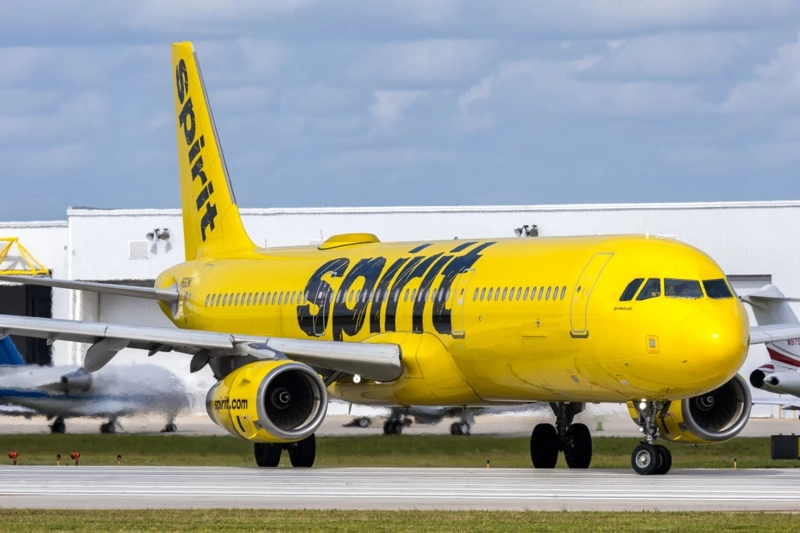
Spirit Airlines, long a symbol of the U.S. ultra-low-cost carrier model, is moving toward liquidation after failing to secure government bailout funding.
The Wall Street Journal reported on May 2 that Spirit Chief Executive Officer Dave Davis and U.S. Commerce Secretary Howard Lutnick spoke on April 30 and concluded that all alternatives had been exhausted. Out of cash, the airline informed employees early that day and suspended all flights across its network.
Spirit started as a cargo carrier in the 1960s and went on to pioneer the ultra-low-cost airline model in the U.S. It has not turned an annual profit since 2019. As the company moved in and out of bankruptcy protection over the past year and a half, the outbreak of the Iran war in late February dealt the final blow. A jump in jet-fuel prices added $10 million to $15 million in weekly costs, wrecking its plan to exit bankruptcy.
The Trump administration had pursued a $500 million bailout in exchange for taking more than 90% of Spirit’s equity. Donald Trump also considered invoking the Defense Production Act because of concerns over large-scale job losses, the Journal said.
The proposal met stiff resistance inside and outside the government. Transportation Secretary Sean Duffy told Trump there was skepticism about both the political backlash and the plan’s effectiveness. Rival airline executives, including United Airlines CEO Scott Kirby, argued that Spirit should be allowed to fail under market principles. Potential buyers including JetBlue Airways and American Airlines also passed on a deal.
Major creditors including Citadel and Cyrus Capital opposed the government rescue plan, arguing that it would damage their financial position. In a letter to Spirit’s board on April 30, they wrote that an orderly liquidation through aircraft sales was the only responsible option.
Spirit’s management had initially hoped to hold on until Tuesday, May 5, when its flight schedule was lightest. But it could not secure enough cash to get through the weekend, forcing an immediate shutdown and liquidation.

Doohyun Hwang
cow5361@bloomingbit.ioKEEP CALM AND HODL🍀