PiCK
Exclusive: South Korea’s Jindo County to Track Jindo Dog Bloodlines on Blockchain
Summary
- Jindo County in South Jeolla Province will begin developing a Jindo dog pedigree authentication and management system using blockchain and DID technology, with plans to launch it within the year.
- The county said mobile Jindo dog pedigree certificates and RFID-based pedigree verification services would improve transparency and accuracy in management.
- Jindo County said it will review expanding and upgrading blockchain-based services, including issuing Jindo dog NFTs, depending on how the system operates.
Forecast Trend Report by Period


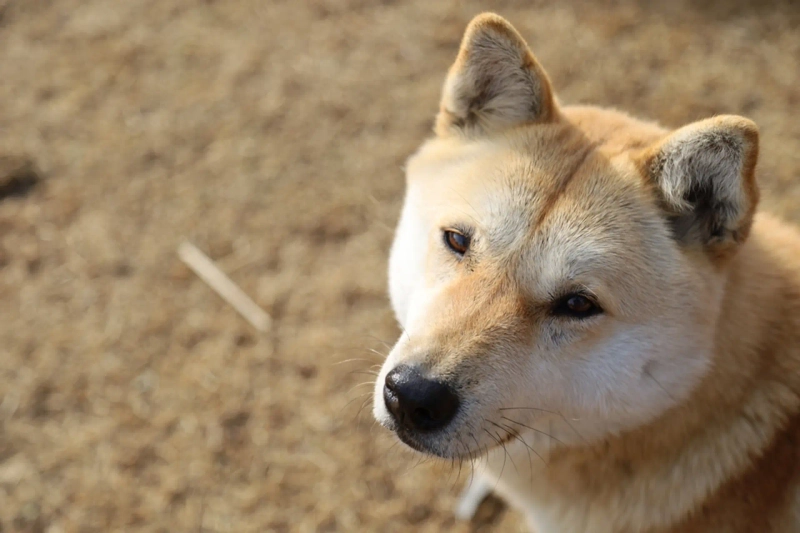
Jindo County in South Jeolla Province is introducing blockchain technology to manage the bloodlines of the Jindo dog, a national natural monument.
According to industry officials on May 12, the county will begin work this month on a blockchain-based Jindo dog pedigree authentication and management system. It plans to complete development by October and put the system into operation within the year.
The core of the project is a blockchain-based decentralized identity, or DID, system to manage and track Jindo dog bloodlines. DID stores identity information across multiple ledgers rather than on a single central server, improving verification efficiency and helping prevent tampering and forgery. The technology is also used in mobile identification cards issued by South Korea’s Ministry of the Interior and Safety.
The project also marks the start of a broader digital shift in the county’s pedigree management system. Jindo County plans to issue mobile Jindo dog pedigree certificates using DID. In effect, about 1,100 Jindo dogs designated as natural monuments after county pedigree screening would receive a form of mobile identification. The county also plans to digitize pedigree verification services using radio-frequency identification, or RFID, devices implanted in the dogs.
Jindo County says blockchain could improve the transparency and accuracy of pedigree management. A county official said a unified system is needed to preserve and manage the Jindo dog, which is protected as a national natural monument, from birth through post-mortem care. Blockchain would allow the county to track and manage the dogs’ birth, growth, health status and distribution process more transparently, the official added.
The county is also weighing a broader expansion of the project. Depending on how the blockchain-based system operates, it plans to review additional applications, including the issuance of non-fungible tokens, or NFTs, for Jindo dogs. If the system is successfully established, the county will consider expanding and upgrading related services.
Companies around the world are already accelerating the use of blockchain for data management and tamper prevention. Toyota Motor Corp., which established a blockchain lab in 2019, is one example. The Japanese automaker uses blockchain-based distributed ledger technology, or DLT, to enhance management of vehicle information across production, logistics and sales. Italian luxury brand Loro Piana introduced a blockchain-based service in 2023 that allows consumers to check a product’s production history.

JOON HYOUNG LEE
gilson@bloomingbit.ioCrypto Journalist based in Seoul