PiCK
South Korea’s Rival Parties Push Digital Asset Bill After Local Elections, Call Stablecoins Urgent
Summary
- South Korea’s ruling and opposition parties said they would move quickly after local elections to advance the Digital Asset Basic Act and foster stablecoins.
- Participants from South Korea and abroad said a won-based stablecoin could connect the Korean economy with global investment and the digital economy.
- Speakers said South Korea should manage digital assets and won-based stablecoins within the regulated system by drawing on the UK’s tiered regulatory approach rather than the EU’s blanket regulation.
Forecast Trend Report by Period


National Assembly Stablecoin Seminar
Ruling and opposition parties say they will take up the Digital Asset Basic Act immediately after local elections
Tether says a won-based stablecoin could help connect South Korea with global capital
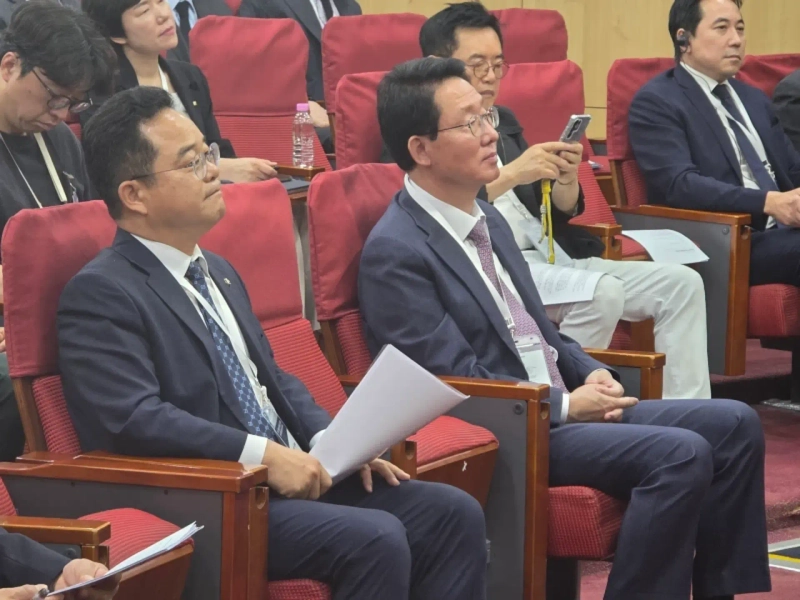
South Korea’s ruling and opposition parties called the domestic development of stablecoins an urgent priority, saying they plan to move quickly on the Digital Asset Basic Act after local elections.
Kim Sang-hoon of the ruling People Power Party made the remarks at a May 12 seminar at the National Assembly Members’ Office Building in Seoul titled “Global Stablecoin Trends and Opportunities for Korea’s Digital Economy.” Kim said some within the ruling party want the Digital Asset Basic Act sent to committee review and deliberations to begin as soon as the local elections end. Even if the government does not present its own bill, he said, the party will push ahead swiftly based on legislation that has already been introduced.
Lee Kang-il of the main opposition Democratic Party said global interest in digital assets and stablecoins is rising as they intersect with the AI industry and the digital finance environment. He added that he would do his best to ensure the Digital Asset Basic Act passes this year.
Lawmakers’ comments reflected a view that launching a won-based stablecoin has become urgent. Democratic Party lawmaker Min Byung-deok said dollar-based stablecoins are becoming a new financial infrastructure that expands the US dollar’s influence in the digital sphere. A won-based stablecoin is not simply a defensive tool, he said, but an offensive one that can connect South Korea’s economy and industries more broadly in the digital environment. He cited possible uses including links to the K-content industry and models for regional commercial districts.
Stablecoin Rules Should Draw on Global Examples
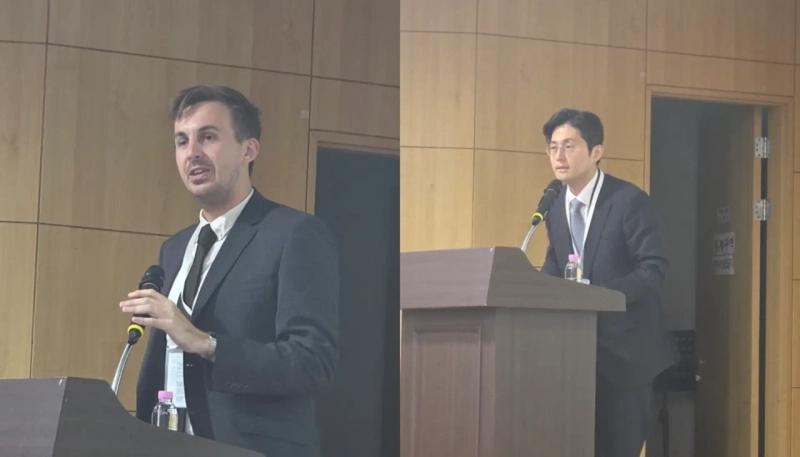
Industry participants from South Korea and abroad also attended the event and offered recommendations for the Digital Asset Basic Act.
Joshua Towson, global head of regulatory affairs at DCGG, or Digital Currency Governance Group, said major countries are moving quickly to build stablecoin regulatory frameworks, but outcomes differ depending on each jurisdiction’s approach. He cited the European Union’s Markets in Crypto-Assets framework, or MiCA, saying its strict licensing and regulatory regime had prompted some companies and investment capital to leave the market.
Towson proposed Britain’s tiered regulatory model as an alternative. The UK is currently applying different levels of regulation based on a digital asset’s risk profile and intended use, he said. Rather than blocking market activity wholesale, regulation should reflect actual use cases and risk levels.
Kim Tae-rim, managing partner at AXIS Law, made a similar argument. About 160 trillion won ($115.9 billion) in domestic funds moved to offshore exchanges last year, he said, and a won-based stablecoin, KRWQ, is already circulating overseas. South Korea should look to the UK’s differentiated model rather than an EU-style blanket framework and bring such digital assets into the regulated system, he added.
Won-Based Stablecoins Seen as Having Strong Potential
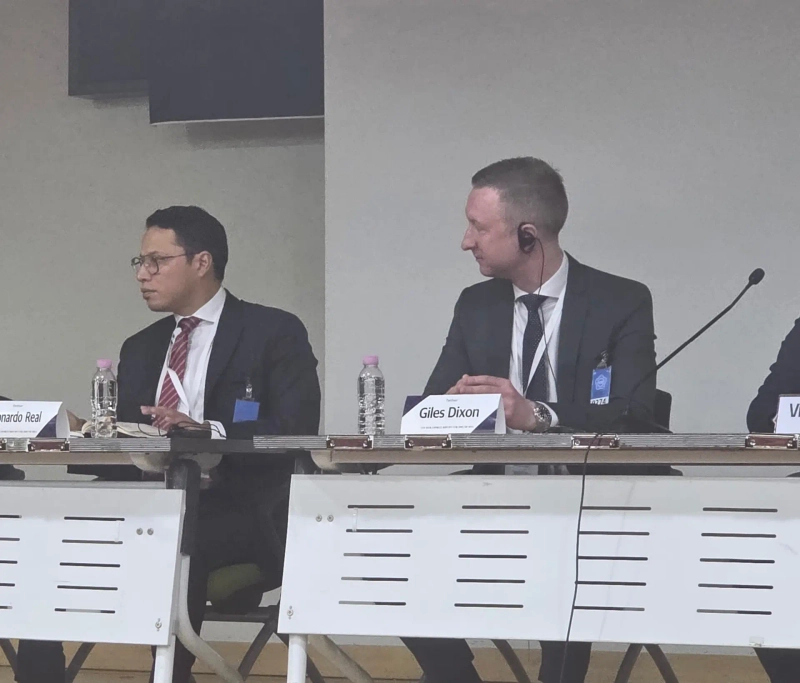
Global stablecoin companies also gave upbeat assessments of the prospects for a won-based stablecoin.
Giles Dixon, global head of licensing and regulatory affairs at Tether, the issuer of USDT, said South Korea has already created global demand in sectors including K-pop, cosmetics and technology. Stablecoins could become a tool to spread Korean goods and cultural content more easily across international markets. For an export-driven economy like South Korea, he added, stablecoins could offer an opportunity to connect global investment and payments.
Vincent Chok, chief executive officer of First Digital, the Hong Kong-based issuer of the dollar stablecoin FDUSD, said dollar-based stablecoins will likely retain market dominance for now. Still, a won-based stablecoin could serve as a bridge between global investors and the South Korean market, he said. Given the strength of Korean culture and content, it has ample room for global expansion. As AI-based payments and the digital economy grow, he added, demand will increase for stablecoins tied to a wider range of currencies, creating a significant opportunity for won-based stablecoins.

Uk Jin
wook9629@bloomingbit.ioH3LLO, World! I am Uk Jin.