Binance Says Faster Institutional Crypto Adoption Requires TradFi-Grade Infrastructure
Summary
- Binance said the industry needs to build more mature financial infrastructure and adapt traditional finance practices as the share of institutional investors in the crypto market grows.
- It said the launch of spot Bitcoin ETFs was the decisive catalyst for institutional inflows from insurers and pension funds, and stressed that clear regulatory frameworks matter above all.
- Binance said South Korea has ample potential to introduce its institutional services if crypto regulations are established, supported by demand from domestic institutions and Korean investors.
Forecast Trend Report by Period


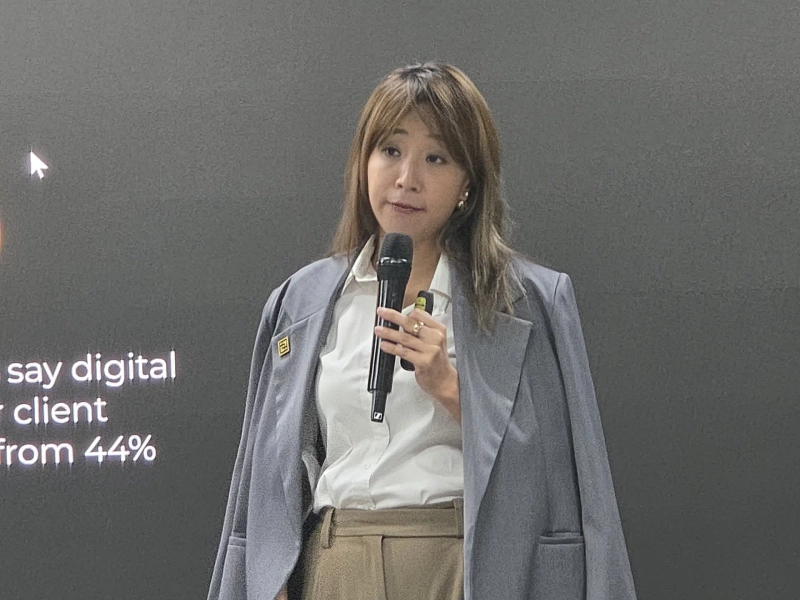
Binance, the world’s largest cryptocurrency exchange, said the digital-asset industry needs to reshape its market structure as institutional investors account for a growing share of the market. The industry must evolve to provide more mature financial infrastructure and be ready to accommodate those investors, it said.
Catherine Chen, Binance’s head of institutional, made the remarks at the fourth Binance Blockchain Study event at EpiSode Gangnam in Seoul on May 14. “Crypto grew as an asset class on the back of retail investor interest, but a wide range of institutions, including family offices and hedge funds, are now entering in force,” she said. A broader investor base is a major positive for the industry, she added.
Chen called the launch of spot Bitcoin exchange-traded funds the decisive catalyst for institutional inflows. “ETFs are an asset class institutions already know well, much like equities,” she said. Insurers and pension funds had found it difficult to invest directly in Bitcoin because it was not explicitly specified as an eligible investment product. The launch of ETFs opened the door to areas that had previously been inaccessible.
Chen said regulatory clarity is the key condition for broader institutional participation. Citing the GENIUS Act, a US stablecoin bill, she said institutions had previously hesitated to adopt stablecoins. Once a legal basis began to take shape, payment companies such as Visa and Mastercard started using them. For institutional investors, clarity over whether an activity is permitted matters above all, she said.
Asked how to bring more institutions into the market, Chen said the answer is to apply trading practices familiar from traditional finance to crypto. Stocks and bonds use post-trade settlement, while crypto trading generally requires prefunding, she said. Binance is therefore focused on tailored solutions such as collateral arrangements through third-party contracts and mirrored trading through virtual accounts.
She also said firms need to be prepared for stricter due diligence when working with institutions. Meeting legal and regulatory requirements is a given, she said. Market participants must also provide deep liquidity, secure infrastructure and a comprehensive service ecosystem to support institutions entering the market.
Chen said South Korea’s institutions are understandably cautious because digital-asset rules have yet to be fully established. Still, she said a clearer regulatory framework would open the way for many Korean institutions to enter the market.
She also gave a positive assessment of South Korea’s potential in digital assets. “There are institutions that invest their own capital, but there are also institutions that provide services to retail and institutional clients,” she said. “Korean investors tend to have an appetite for challenge, so if crypto-related products come to market, there should be sufficient demand.”
Binance plans to target the South Korean market by introducing the institutional services it already offers elsewhere, Chen said. The exchange currently provides tailored services not only to trading firms but also to banks and asset managers. If South Korea establishes the necessary regulatory framework, offering those services locally could help raise institutional adoption of digital assets, she said.

Uk Jin
wook9629@bloomingbit.ioH3LLO, World! I am Uk Jin.