

Digital Tracking Technology to Catch Virtual Asset Ponzi Schemes
Summary
- Cloint, a domestic company specializing in tracking and analyzing virtual assets, reported that it estimated the damage amount to be 28 billion won through tracking and analyzing the rapidly increasing Ponzi schemes in the virtual asset market.
- Quantvine claimed to guarantee high returns by investing in the stablecoin Tether, but Cloint revealed that it caused damage by disappearing after stopping withdrawals.
- Cloint confirmed that malware was used to leak victims' personal information in the Quantvine case and reported finding the same malware in other projects with similar structures.
'High returns, stable principal guarantee.'
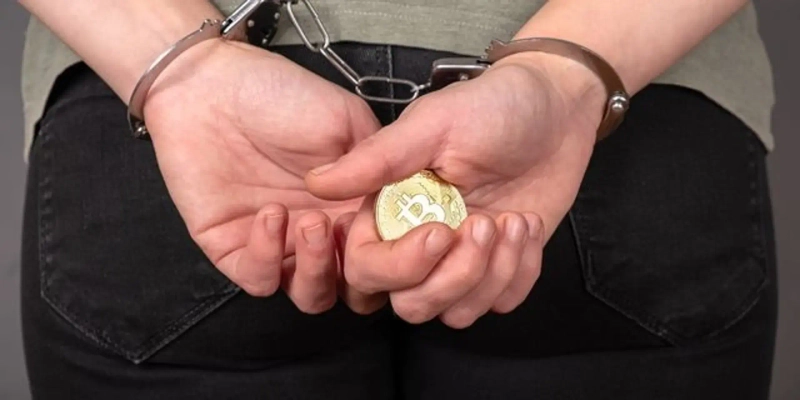
This is a typical phrase used by Ponzi scheme (multi-level financial fraud) companies to lure victims. Ponzi schemes, which repay the principal of earlier investors with the funds of subsequent investors, are rapidly spreading along with the growth of the virtual asset market. A domestic information technology (IT) company that tracks such Ponzi schemes has emerged, attracting attention.
Cloint, a domestic company specializing in tracking and analyzing virtual assets, recently disclosed the results of its investigation into the 'Quantvine' Ponzi scheme, which affected over 5,000 victims, on the 28th. Quantvine attracted investors by claiming to guarantee a daily return of 2% (annual 137,600%) by investing in the stablecoin Tether (USDT), which is linked to the US dollar. It is known to have deceived victims by claiming that profits could be generated through price differences using artificial intelligence (AI) technology. It suddenly stopped withdrawals and disappeared after four days.
Cloint analyzed Quantvine's website, mobile app, and virtual asset wallet addresses starting from the 11th of this month, shortly after the suspension of withdrawals. As a result, they discovered numerous malware files in the mobile app and confirmed that the malware was linked to the leakage of victims' personal information. They also tracked and analyzed Quantvine's virtual asset wallet addresses and estimated the confirmed damage amount to be around 28 billion won.
Ponzi schemes combined with virtual assets are difficult for police to track due to the anonymity and advanced money laundering techniques involved. Cloint recently identified the same malware in four other projects with similar structures to Quantvine. A Cloint representative explained, "We are patterning the characteristics of fraudulent crimes to build data," adding, "It will also help in the prevention of crimes in advance."
Reporter Jeonghoon Ahn ajh6321@hankyung.com

Korea Economic Daily
hankyung@bloomingbit.ioThe Korea Economic Daily Global is a digital media where latest news on Korean companies, industries, and financial markets.