

Trump's 'Movie Tariff' Could Lead to Overall Revenue Decline, Says Hollywood
Summary
- President Donald Trump's plan to impose a 100% tariff on foreign films has raised concerns in Hollywood about rising costs.
- Blockbuster films with large budgets earn significant revenue in foreign markets, making them more susceptible to the impact of the tariffs.
- Investment firm Morgan Stanley diagnosed that such measures would lead to a decline in overall industry revenue.
Concerns Over Reduced Production and Increased Movie Ticket Prices
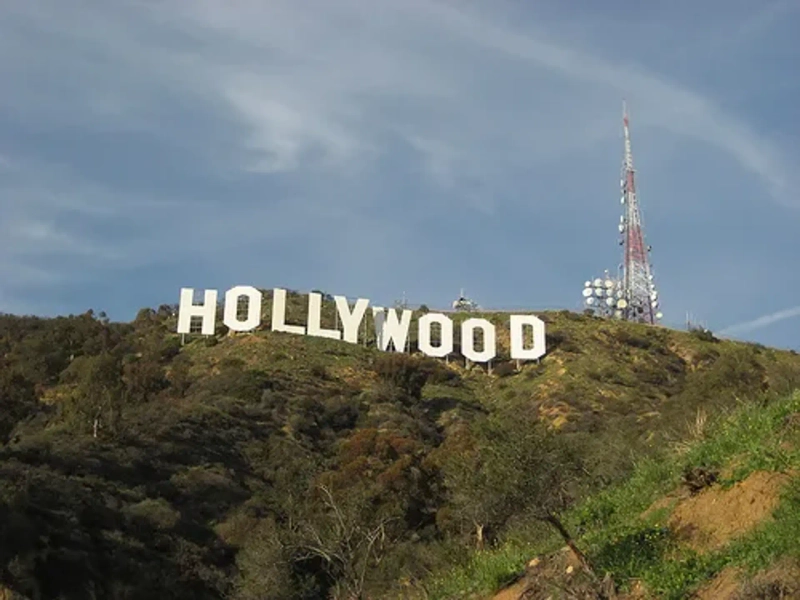
As U.S. President Donald Trump announced a 100% tariff on foreign films, voices of concern are rising in Hollywood about the potential side effects, such as reduced production and increased movie ticket prices due to rising costs.
On the 5th (local time), the U.S. daily Wall Street Journal (WSJ) reported Hollywood's negative stance on the tariff imposition with the headline, "Hollywood Wanted Trump to Bring Movie Production Back to the U.S., But Not Like This."
According to the WSJ, Hollywood executives are reportedly worried about the possibility of retaliatory tariffs from other countries in response to the U.S. tariffs, which could impact overseas business. Particularly for blockbuster films with large budgets, a significant portion of box office revenue is earned in foreign markets, making them more susceptible to the impact.
President Trump announced on Truth Social the previous day that he had instructed the Department of Commerce and the United States Trade Representative (USTR) to impose a 100% tariff on all films produced abroad. When asked about this, he said, "I will meet with industry stakeholders. I want to make sure they are satisfied with it," showing a somewhat retreating stance.
However, Hollywood insiders remain uneasy. According to Hollywood media outlet Deadline, an executive at a U.S. film distribution company said, "Here, his (Trump's) goal seems to be only to create confusion and distraction," and "I just hope he encourages the expansion of desperately needed state tax benefits for the industry." Investment firm Morgan Stanley's analysis team also diagnosed in a memo to clients that imposing tariffs on foreign-produced films would ultimately lead to a decline in overall industry revenue.
Mark Young, a professor at the University of Southern California's business school, criticized in an interview with ABC News, "Essentially, what Trump is trying to do is make it unsustainable for U.S. film studios to produce films abroad," and "However, this will only increase film production costs in the U.S., and it will be disastrous."
Reporter Minhyung Lee, Hankyung.com meaning@hankyung.com

Korea Economic Daily
hankyung@bloomingbit.ioThe Korea Economic Daily Global is a digital media where latest news on Korean companies, industries, and financial markets.